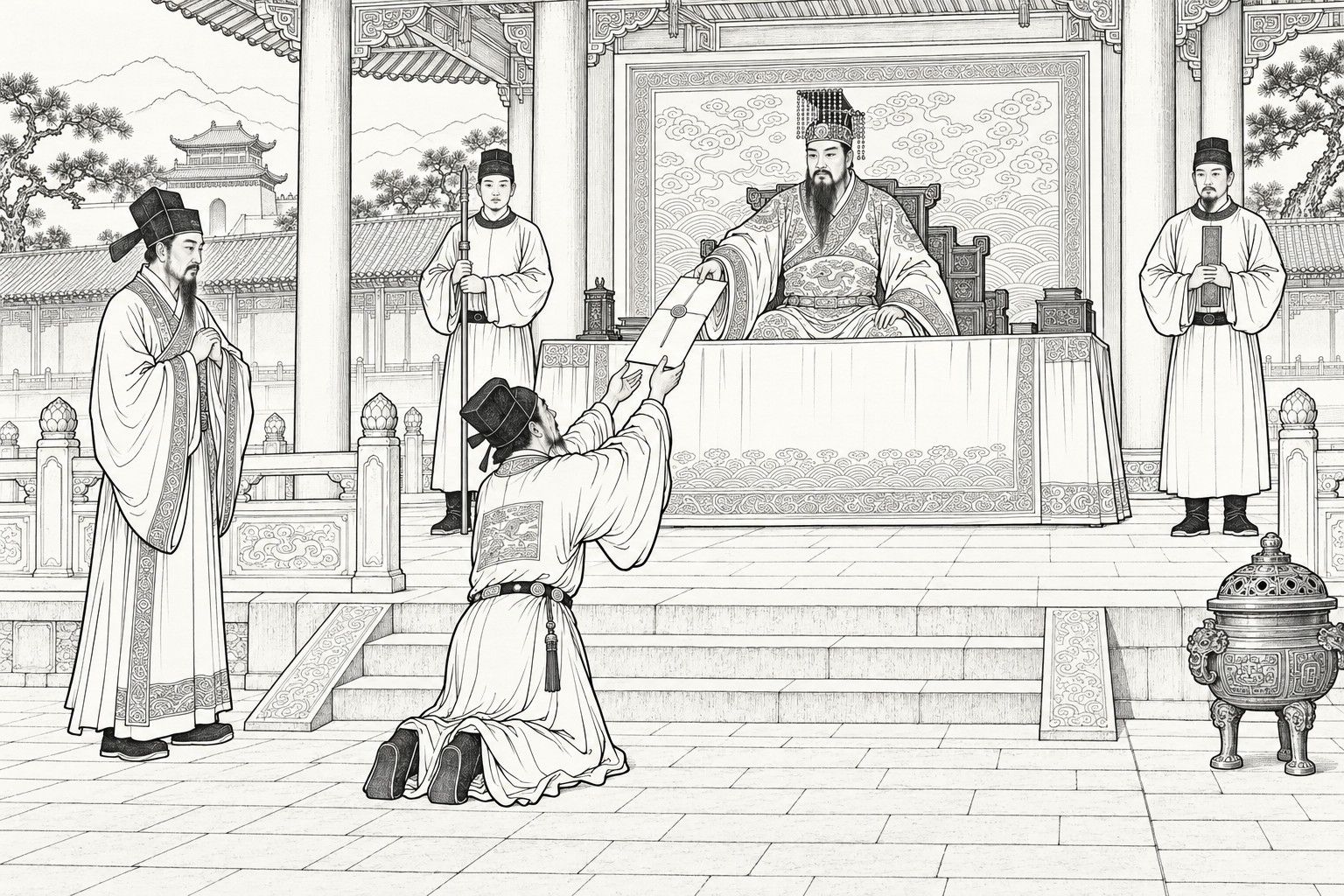
湖南巡撫某公,遣州佐押解餉六十萬赴京。途中被雨,日暮愆程,無所投宿,遠見古剎,因詣棲止。天明,視所解金,蕩然無存。眾駭怪,莫可取咎。回白撫公,公以為妄,將置之法。及詰眾役,並無異詞。公責令仍反故處,緝察端緒。至廟前,見一瞽者,形貌奇異,自榜云:「能知心事。」因求卜筮。瞽曰:「是為失金者。」州佐曰:「然。因訴前苦。瞽者便索肩輿,云:「但從我去,當自知。」遂如其言,官役皆從之。瞽曰:「東」。東之。瞽曰:「北。」北之。凡五日,入深山,忽睹城郭,居人輻輳。入城,走移時,瞽曰:「止。」因下輿,以手南指:「見有高門西向,可款關自問之。」拱手自去。州佐如其教,果見高門,漸入之。一人出,衣冠漢制,不言姓名。州佐述所自來,其人云:「請留數日,當與君謁當事者。」遂導去,令獨居一所,給以食飲。暇時閒步,至第後,見一園亭,入涉之。老松翳日,細草如氈。數轉廊榭,又一高亭,歷階而入,見壁上挂人皮數張,五官俱備,腥氣流熏。不覺毛骨森豎,疾退歸舍。自分留鞹異域,已無生望,因念進退一死,亦姑聽之。明日,衣冠者召之去,曰:「今日可見矣。」州佐唯唯。衣冠者乘怒馬甚駛,州佐步馳從之。俄,至一轅門,儼如制府衙署,皂衣人羅列左右,規模凜肅。衣冠者下馬,導入。又一重門,見有王者,珠冠繡紱,南面坐。州佐趨上,伏謁。王者問:「汝湖南解官耶?」州佐諾。王者曰:「銀俱在此。是區區者,汝撫軍即慨然見贈,未為不可。」州佐泣訴:「限期已滿,歸必就刑,稟白何所申證?」王者曰:「此即不難。」遂付以巨函云:「以此復之,可保無恙。」又遣力士送之。州佐慴息,不敢辨,受函而返。山川道路,悉非來時所經。既出山,送者乃去。數日,抵長沙,敬白撫公。公益妄之,怒不容辨,命左右者飛索以䌈。州佐解襆出函,公拆視未竟,面如灰土。命釋其縛,但云:「銀亦細事,汝姑出。」於是急檄屬官,設法補解訖。數日,公疾,尋卒。先是,公與愛姬共寢,既醒,而姬髮盡失。闔署驚怪,莫測其由。蓋函中即其髮也。外有書云:「汝自起家守令,位極人臣。賕賂貪婪,不可悉數。前銀六十萬,業已驗收在庫。當自發貪囊,補充舊額。解官無罪,不得加譴責。前取姬髮,略示微警。如復不遵教令,旦晚取汝首領。姬髮附還,以作明信。」公卒後,家人始傳其書。後屬員遣人尋其處,則皆重岩絕壑,更無徑路矣。
湖南巡抚某公,遣州佐押解饷六十万赴京。途中被雨,日暮愆程,无所投宿,远见古刹,因诣栖止。天明,视所解金,荡然无存。众骇怪,莫可取咎。回白抚公,公以为妄,将置之法。及诘众役,并无异词。公责令仍反故处,缉察端绪。至庙前,见一瞽者,形貌奇异,自榜云:「能知心事。」因求卜筮。瞽曰:「是为失金者。」州佐曰:「然。因诉前苦。瞽者便索肩舆,云:「但从我去,当自知。」遂如其言,官役皆从之。瞽曰:「东」。东之。瞽曰:「北。」北之。凡五日,入深山,忽睹城郭,居人辐辏。入城,走移时,瞽曰:「止。」因下舆,以手南指:「见有高门西向,可款关自问之。」拱手自去。州佐如其教,果见高门,渐入之。一人出,衣冠汉制,不言姓名。州佐述所自来,其人云:「请留数日,当与君谒当事者。」遂导去,令独居一所,给以食饮。暇时闲步,至第后,见一园亭,入涉之。老松翳日,细草如毡。数转廊榭,又一高亭,历阶而入,见壁上挂人皮数张,五官俱备,腥气流熏。不觉毛骨森竖,疾退归舍。自分留鞹异域,已无生望,因念进退一死,亦姑听之。明日,衣冠者召之去,曰:「今日可见矣。」州佐唯唯。衣冠者乘怒马甚驶,州佐步驰从之。俄,至一辕门,俨如制府衙署,皂衣人罗列左右,规模凛肃。衣冠者下马,导入。又一重门,见有王者,珠冠绣绂,南面坐。州佐趋上,伏谒。王者问:「汝湖南解官耶?」州佐诺。王者曰:「银俱在此。是区区者,汝抚军即慨然见赠,未为不可。」州佐泣诉:「限期已满,归必就刑,禀白何所申证?」王者曰:「此即不难。」遂付以巨函云:「以此复之,可保无恙。」又遣力士送之。州佐慴息,不敢辨,受函而返。山川道路,悉非来时所经。既出山,送者乃去。数日,抵长沙,敬白抚公。公益妄之,怒不容辨,命左右者飞索以䌈。州佐解襆出函,公拆视未竟,面如灰土。命释其缚,但云:「银亦细事,汝姑出。」于是急檄属官,设法补解讫。数日,公疾,寻卒。先是,公与爱姬共寝,既醒,而姬发尽失。阖署惊怪,莫测其由。盖函中即其发也。外有书云:「汝自起家守令,位极人臣。赇赂贪婪,不可悉数。前银六十万,业已验收在库。当自发贪囊,补充旧额。解官无罪,不得加谴责。前取姬发,略示微警。如复不遵教令,旦晚取汝首领。姬发附还,以作明信。」公卒后,家人始传其书。后属员遣人寻其处,则皆重岩绝壑,更无径路矣。
A certain governor of Hunan sent a deputy magistrate to escort six hundred thousand taels of revenue silver to the capital. On the way they were caught in the rain and fell behind, and night came on with nowhere to lodge. Seeing an old temple in the distance, they went to it and stopped there. At daybreak they looked at the silver in their charge: every bit of it was gone. All of them were horrified and baffled, but there was no one to blame. They went back and reported to the governor. He thought the story a lie and was going to have the deputy punished under the law. But when he questioned the runners, none of their accounts differed. The governor ordered the deputy back to the place to search for clues. In front of the temple he saw a blind man of strange appearance, with a sign that said: “I can read what is in your heart.” So he asked for a divination. “You are the one who lost the silver,” said the blind man. “I am,” said the deputy, and told him all his troubles. The blind man asked for a sedan chair. “Just come with me and you’ll see for yourself.” They did as he said, the deputy and the runners all following him. “East,” said the blind man, and they went east. “North,” and they went north. After five days they entered deep mountains, and suddenly saw a walled city, its streets thronged with people. They entered the city and went on for a while. “Stop,” said the blind man. He got down from the chair and pointed south. “You’ll see a tall gate facing west. Knock and ask for yourself.” He bowed with joined hands and went off on his own. The deputy did as he was told, and there was the tall gate. He made his way in by degrees. A man came out, dressed in the robes and cap of the Han, who did not give his name. The deputy explained where he had come from. “Please stay a few days,” said the man. “I will take you to see the one in charge.” He led him away and lodged him in a place by himself, and gave him food and drink. With time on his hands, the deputy strolled about and came behind the mansion to a garden with pavilions. He went in to look around. Old pines shut out the sun, and the fine grass was like felt. After several turns through corridors and terraces there was another tall pavilion. He climbed the steps and went in, and saw several human skins hanging on the wall, every feature complete, giving off a reek of blood. His hair stood on end, and he backed out quickly to his room. He reckoned his hide would be left in this strange land, and he had no hope of living. But since he would die whether he went forward or back, he resigned himself to whatever came. Next day the man in the robes and cap summoned him. “Today you may have your audience.” The deputy said yes, yes. The man rode off on a spirited horse at a great pace, and the deputy ran on foot to keep up. Soon they came to a yamen gate, just like the offices of a viceroy, with men in black lined up on either side, the whole place stern and awesome. The man dismounted and led him in. Through another gate he saw a king in a pearl crown and embroidered sash, seated facing south. The deputy hurried forward and prostrated himself. “Are you the officer escorting silver from Hunan?” asked the king. The deputy said he was. “The silver is all here,” said the king. “A trifle like this — if your governor were to make me a generous present of it, that would be no bad thing.” The deputy wept. “My time is up. When I go back I’ll surely be executed. What proof can I give in my report?” “That is easily done,” said the king. He handed him a large envelope. “Answer him with this, and you will come to no harm.” And he sent a strongman to escort him. The deputy held his breath in terror and dared not argue; he took the envelope and went back. The mountains, rivers and roads were none of those they had come by. Once they were out of the mountains, the escort left. Some days later he reached Changsha and respectfully reported to the governor. The governor thought it more of a lie than ever, and in a rage would not let him explain; he ordered his men to fetch ropes at once and tie him up. The deputy undid his bundle and brought out the envelope. Before the governor had finished looking inside, his face turned the colour of ashes. He had the deputy untied and said only, “The silver is a small matter. You may go for now.” Then he sent urgent orders to his subordinates to find the means to make up the sum and send it on, and it was done. A few days later the governor fell ill, and soon died. Some time before, the governor had gone to bed with his favourite concubine, and when they woke all her hair was gone. The whole yamen was alarmed and baffled, and no one could guess how it had happened. The envelope, it seems, held her hair. With it was a letter: “You began as a prefect and a county magistrate and rose to the highest rank a subject can reach. Your bribes and your greed are past counting. The six hundred thousand in silver has already been checked and received into our treasury. You will open your own greedy purse to make up the original sum. The escorting officer is not to blame; you are not to punish him. Taking your concubine’s hair was a small warning. If you disobey our commands again, we will take your head, morning or evening. The hair is returned herewith as proof.” Only after the governor died did his household let the letter be known. Later his subordinates sent men to look for the place, but there was nothing but towering cliffs and sheer gorges, and no path at all.