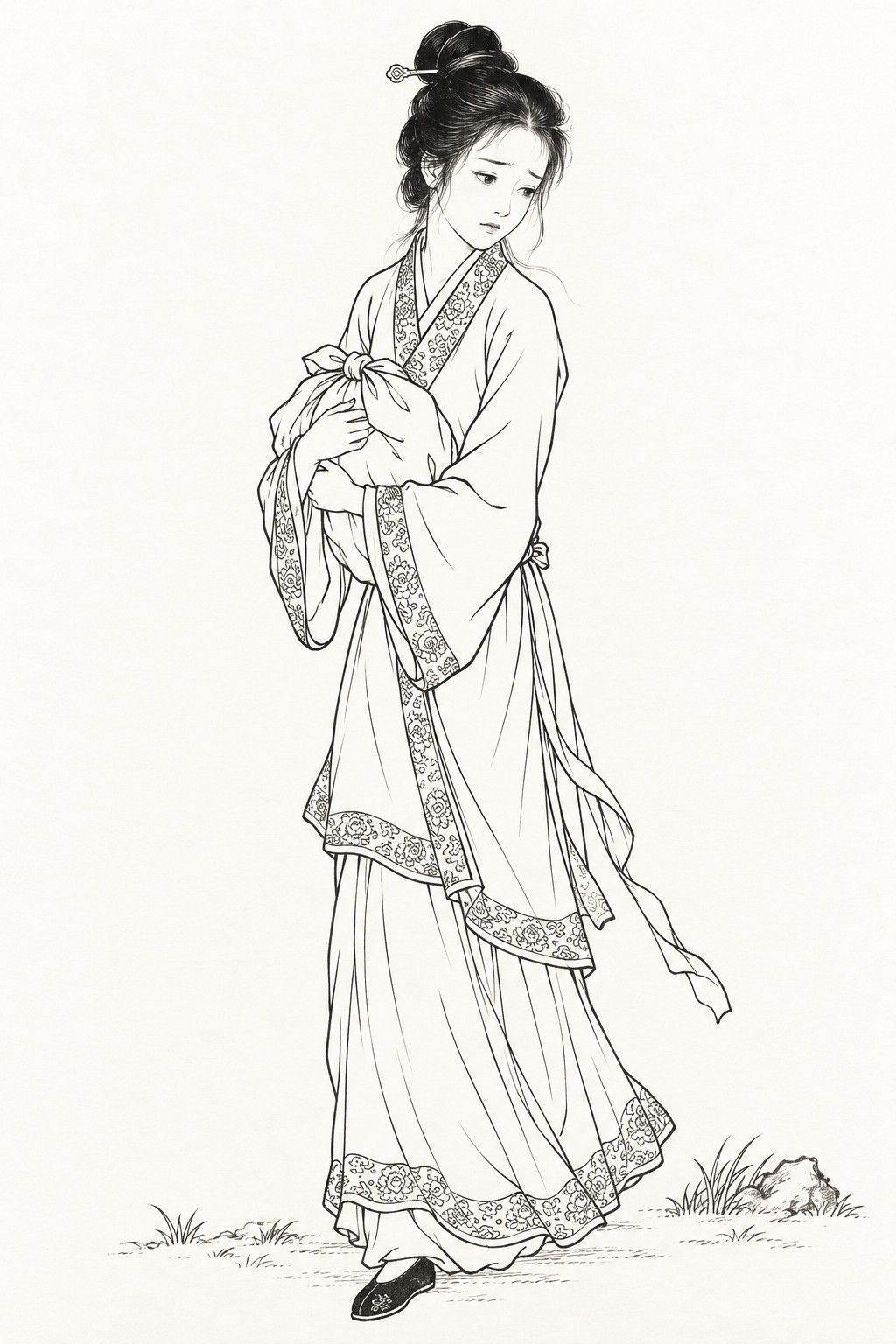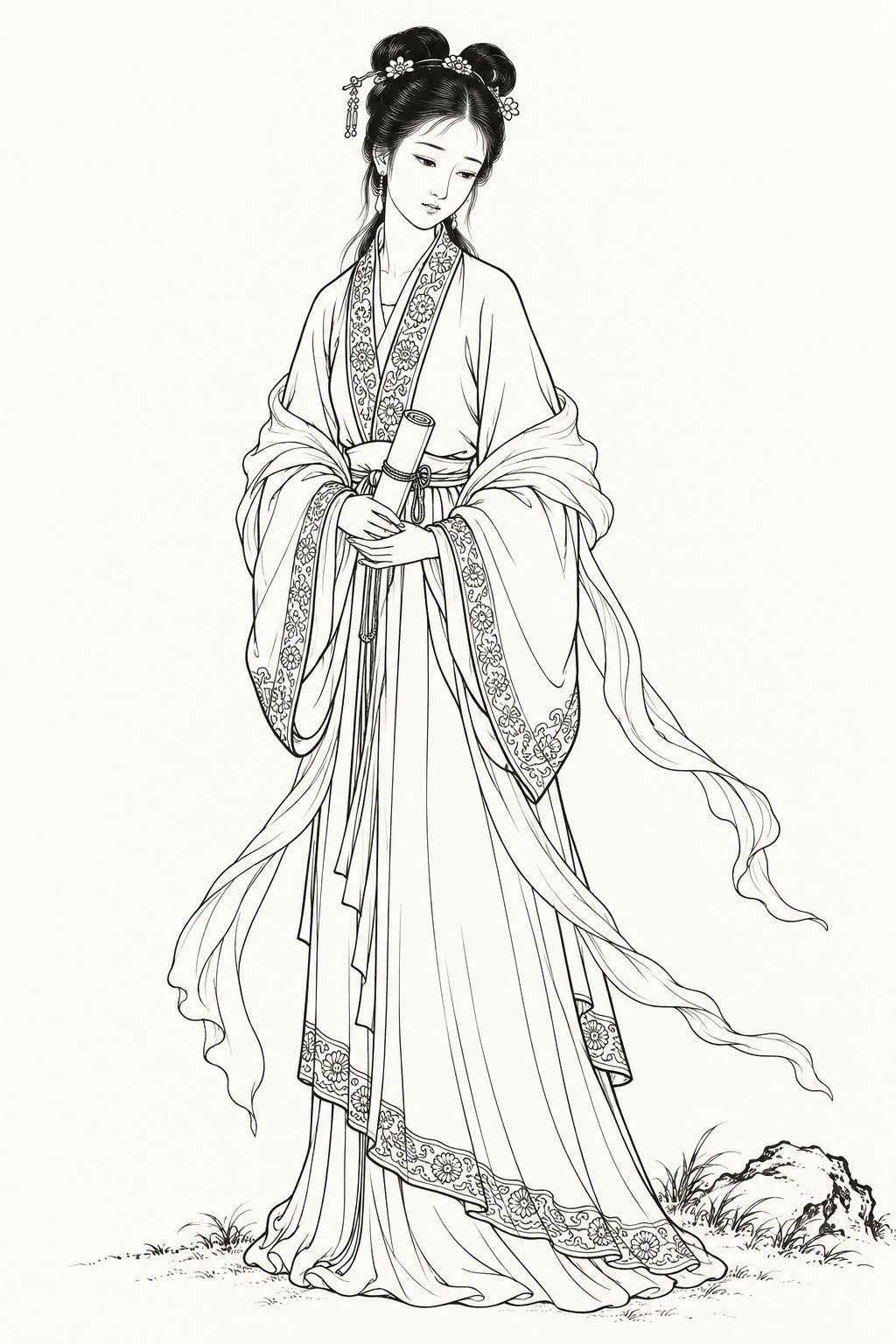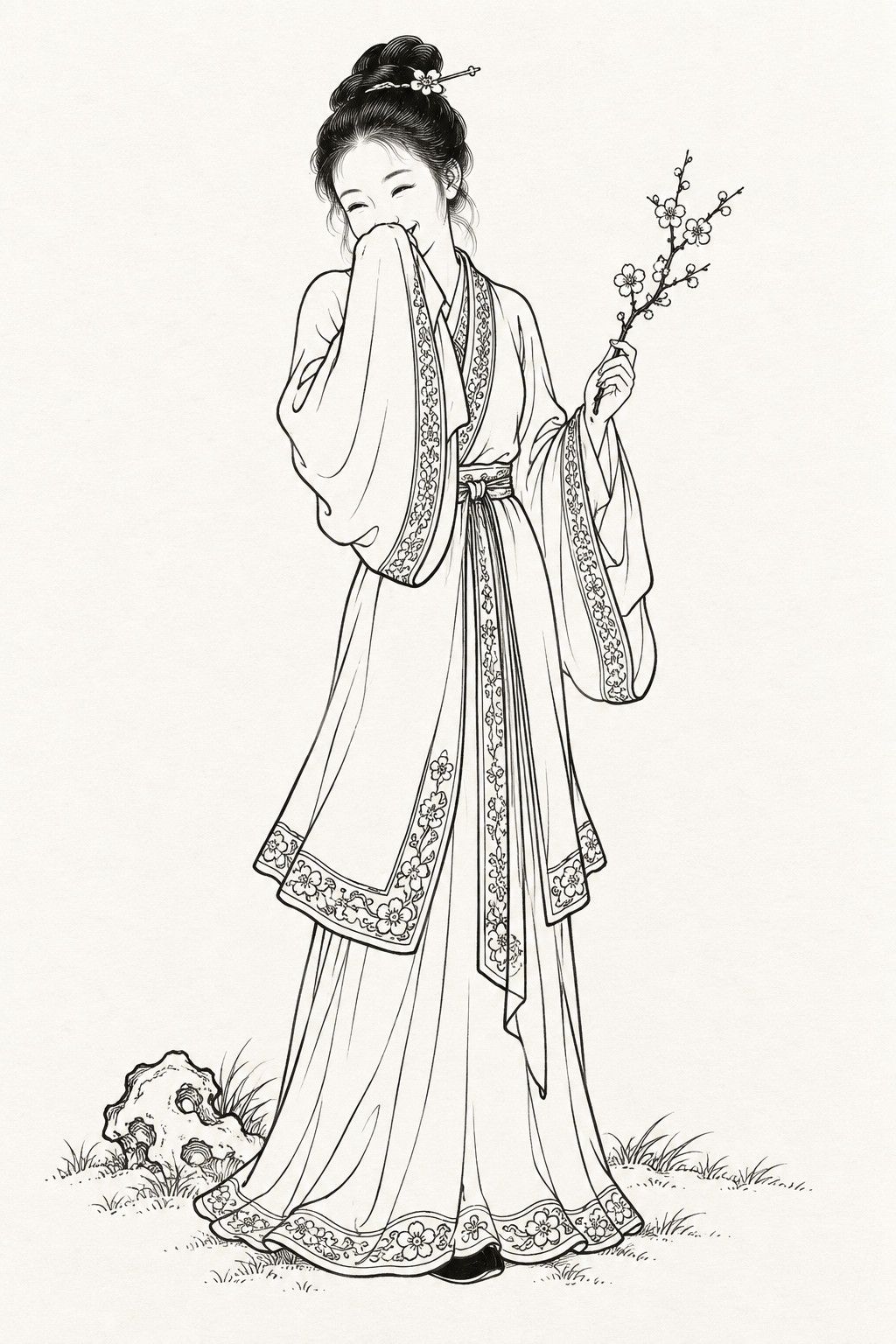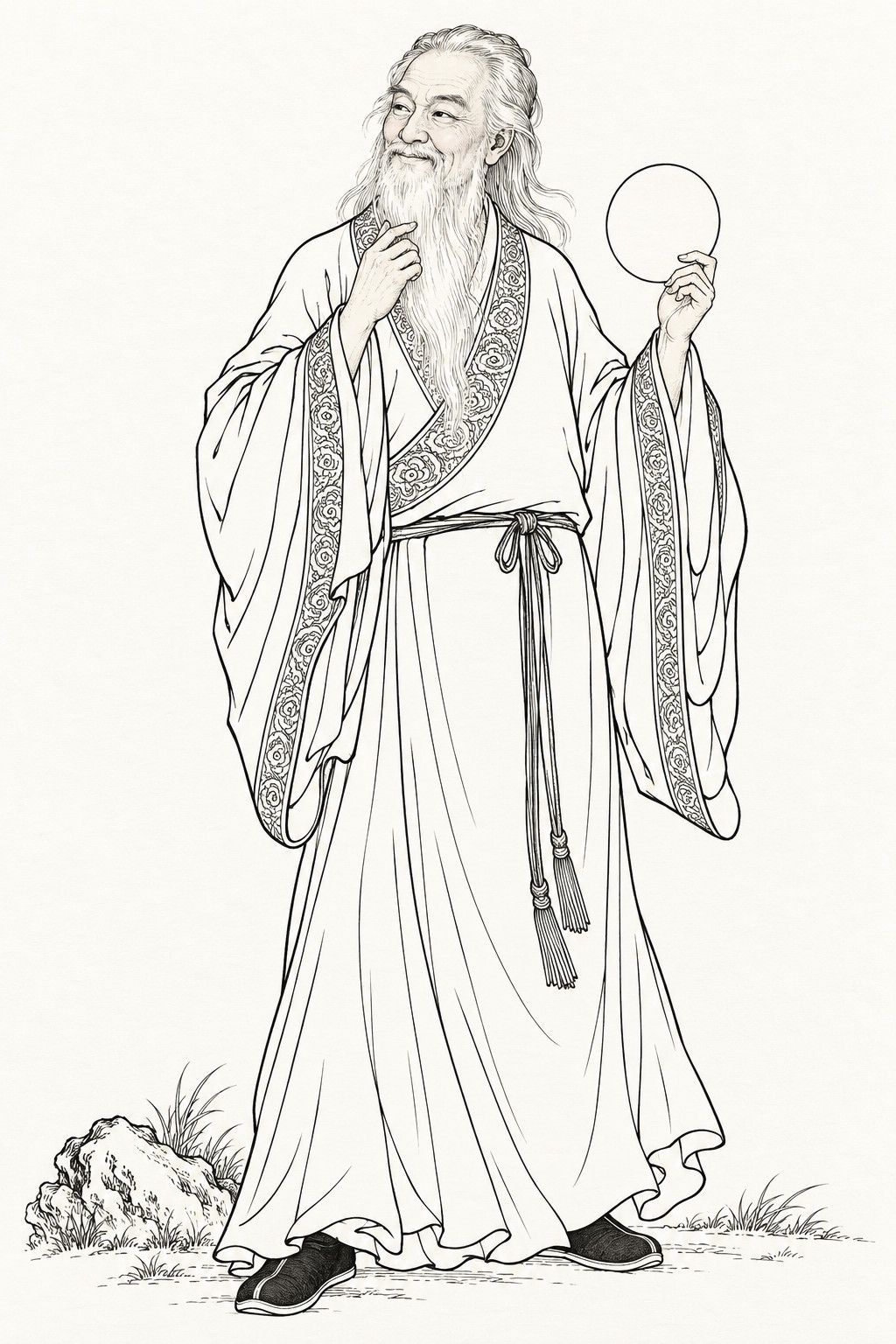
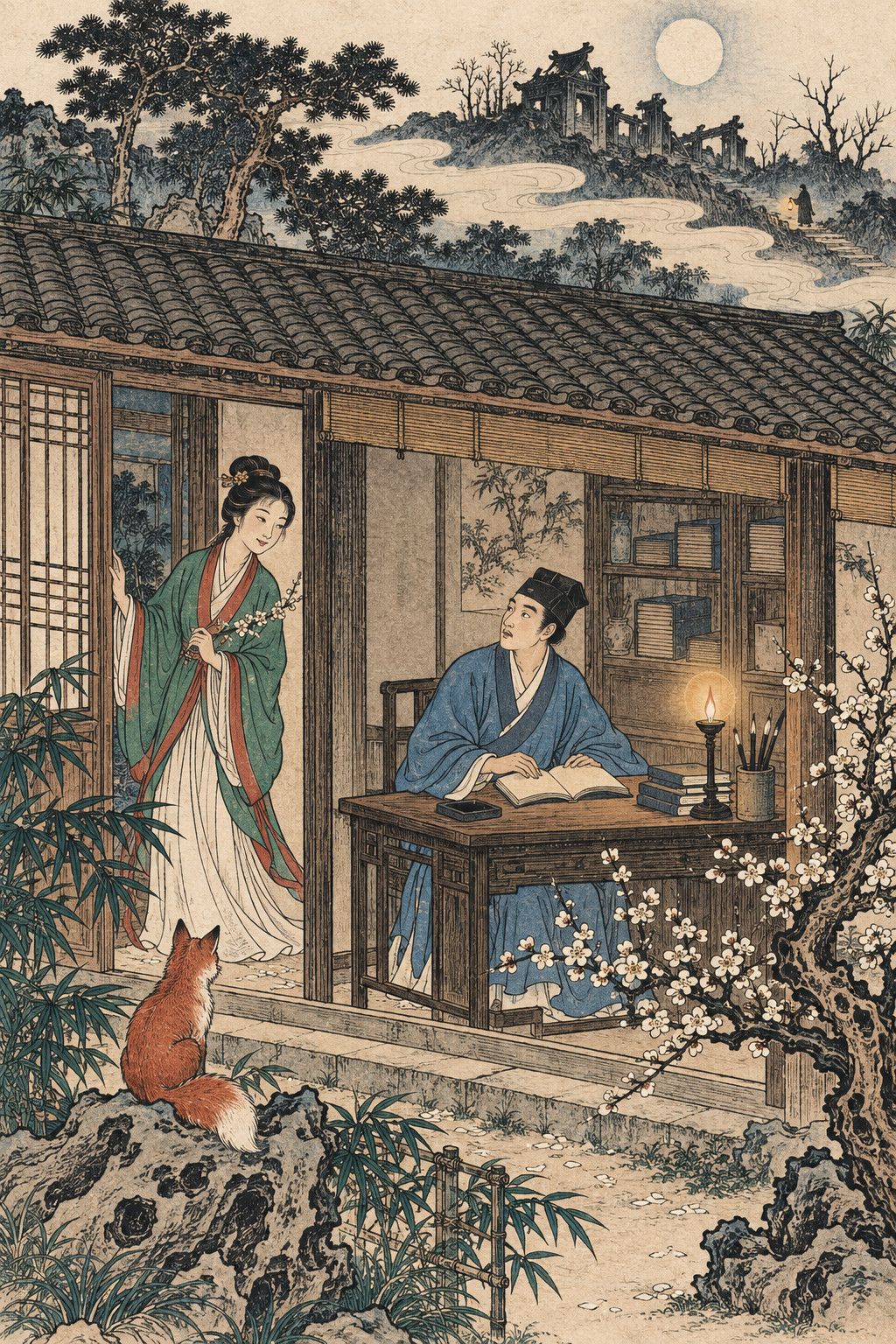
A colour woodblock-style frontispiece: a scholar reads late at night by lamplight; a fox maiden holding a sprig of plum blossom steps in at the door, a fox sits in the moonlit courtyard, and a ruined temple stands on the hill beyond.

Strange Tales from a Chinese Studio

聊齋誌異聊斋志异Liaozhai zhiyi

By Pu Songling 蒲松齡蒲松龄 · Qing dynasty · from 1679

Nearly five hundred tales of fox spirits, ghosts and scholars who stay up too late reading, each short enough for a single sitting.

Free to read
Stories 1–100
Length
383,000 characters · 558,000 English words

Historical English translations

  • Strange Stories from a Chinese Studio1880

    Herbert A. Giles · Selection

    Two volumes, London: Thos. de la Rue (Project Gutenberg #43629, public domain in the USA); revised editions followed in 1908 and 1916. English Wikipedia notes that Giles omitted or paraphrased sexual and bodily content.

  • Strange Stories from the Lodge of Leisures1913

    George Soulié · Selection

    London: Constable, and Boston: Houghton Mifflin (Project Gutenberg #37766). Soulié’s preface says it is literal in places and literary in others.

Read the original

  • Chinese Wikisource: 聊齋志異Complete text

    Twelve volumes with the author’s biography and preface (dated 康熙己未, 1679); the page does not name its base edition

    All twelve volumes are transcribed, 498 headed sections in total. The text carries footnotes, variant readings marked 一作 and inline commentary tagged 但評, 何評 and 馮評, which would need stripping before use as a clean reading text.

Pu Songling of Zichuan wrote these tales over decades. His preface, dated 1679, says he set down whatever he heard and friends mailed him more. Like the exiled Song poet at Huangzhou, he loves to hear people talk of ghosts. He calls the result a book of ‘solitary indignation’.

There are nearly five hundred of them in twelve volumes, some barely a paragraph long and some several pages. A fox girl moves in with a lonely student; a ghost lodges in a ruined temple; a Daoist teaches a trick that works exactly once; an examinee is summoned to the underworld and passes its exam for the post of city god. The people in them are scholars, farmers, magistrates, thieves and widows, and the supernatural always arrives through an ordinary door.

Many tales close with a comment from ‘the Historian of the Strange’, Pu’s own voice, dry or angry or tender. The collection was first printed in 1766, half a century after he died.