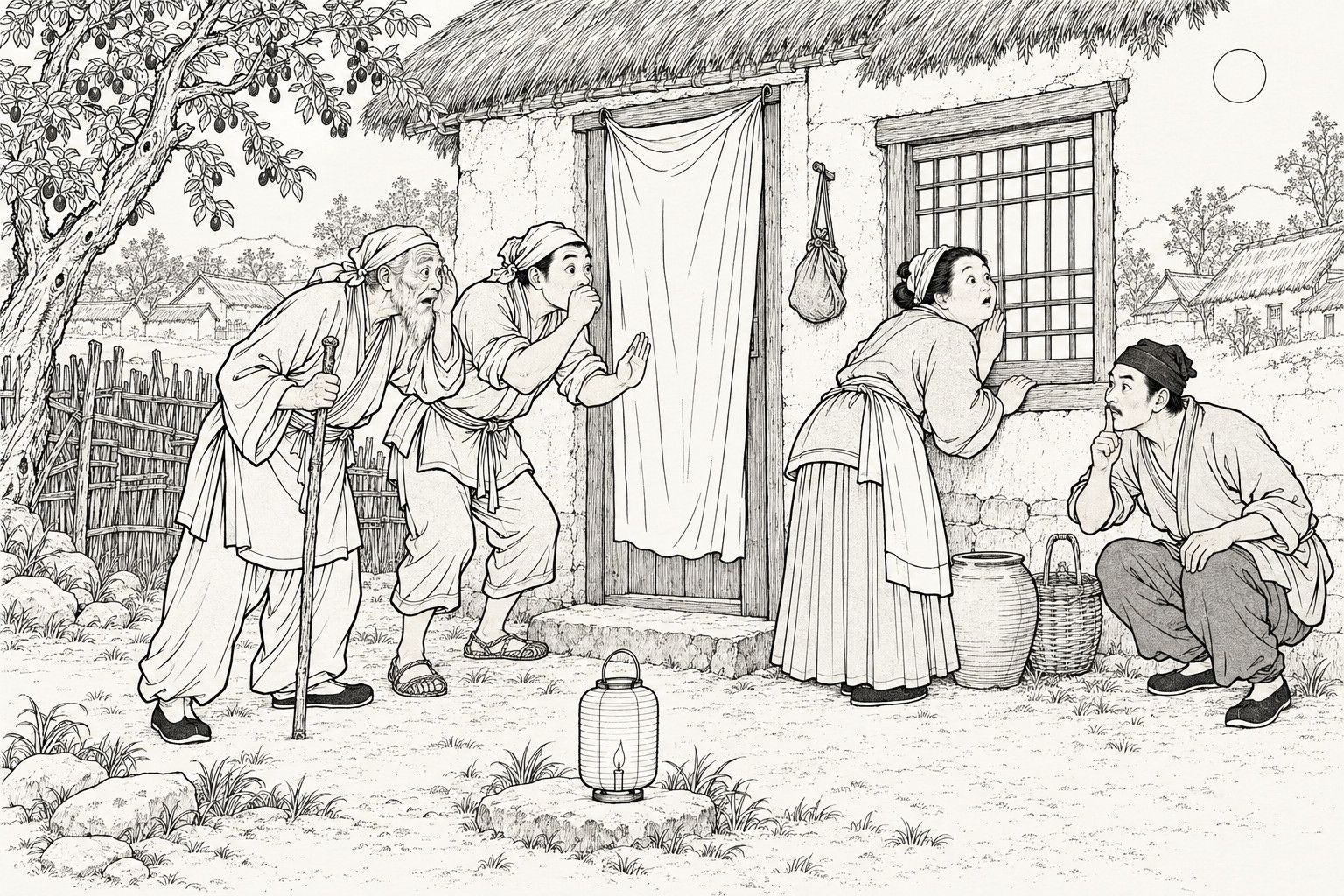
村中來一女子,年二十有四五。攜一藥囊,售其醫。有問病者,女不能自為方,俟暮夜問諸神。晚潔斗室,閉置其中。眾繞門窗,傾耳寂聽,但竊竊語,莫敢咳。內外動息俱冥。至半更許,忽聞帘聲。女在內曰:「九姑來耶?」一女子答云:「來矣。」又曰:「臘梅從九姑耶?」似一婢答云:「來矣。」三人絮語間雜,刺刺不休。俄聞帘鉤復動,女曰:「六姑至矣。」亂言曰:「春梅亦抱小郎子來耶?」一女曰:「拗哥子!嗚嗚不睡,定要從娘子來。身如百鈞重,負累煞人。」旋聞女子慇懃聲,九姑問訊聲,六姑寒暄聲,二婢慰勞聲,小兒喜笑聲,貓子聲,一齊嘈雜。即聞女子笑曰:「小郎君亦大好耍,遠迢迢抱貓兒來。」既而聲漸疏,帘又響,滿室俱嘩,曰:「四姑來何遲也?」有一小女子細聲笑曰:「路有千里且溢,與阿姑走爾許時始至。阿姑行且緩。」遂各各道溫涼聲,並移坐聲,喚添坐聲,參差並作,喧繁滿室,食頃始定。即聞女子問病。九姑以為宜得參,六姑以為宜得芪,四姑以為宜得術。參酌移時,即聞九姑喚筆硯。無何,折紙戢戢然,拔筆擲帽丁丁然,磨墨隆隆然;既而投筆觸幾,震筆作響,便聞撮藥包裹囌囌然。頃之,女子推帘,呼病者授藥並方。反身入室,即聞三姑作別,三婢作別,小兒啞啞,貓兒唔唔,又一時並起。九姑之聲清以越,六姑之聲緩以蒼,四姑之聲嬌以婉,以及三婢之聲,各有態響,聽之了了可辨。群訝以為真神。而試其方,亦不甚效。此即所謂口技,特借之以售其術耳,然亦奇矣!
村中来一女子,年二十有四五。携一药囊,售其医。有问病者,女不能自为方,俟暮夜问诸神。晚洁斗室,闭置其中。众绕门窗,倾耳寂听,但窃窃语,莫敢咳。内外动息俱冥。至半更许,忽闻帘声。女在内曰:「九姑来耶?」一女子答云:「来矣。」又曰:「腊梅从九姑耶?」似一婢答云:「来矣。」三人絮语间杂,刺刺不休。俄闻帘钩复动,女曰:「六姑至矣。」乱言曰:「春梅亦抱小郎子来耶?」一女曰:「拗哥子!呜呜不睡,定要从娘子来。身如百钧重,负累煞人。」旋闻女子慇懃声,九姑问讯声,六姑寒暄声,二婢慰劳声,小儿喜笑声,猫子声,一齐嘈杂。即闻女子笑曰:「小郎君亦大好耍,远迢迢抱猫儿来。」既而声渐疏,帘又响,满室俱哗,曰:「四姑来何迟也?」有一小女子细声笑曰:「路有千里且溢,与阿姑走尔许时始至。阿姑行且缓。」遂各各道温凉声,并移坐声,唤添坐声,参差并作,喧繁满室,食顷始定。即闻女子问病。九姑以为宜得参,六姑以为宜得芪,四姑以为宜得术。参酌移时,即闻九姑唤笔砚。无何,折纸戢戢然,拔笔掷帽丁丁然,磨墨隆隆然;既而投笔触几,震笔作响,便闻撮药包裹苏苏然。顷之,女子推帘,呼病者授药并方。反身入室,即闻三姑作别,三婢作别,小儿哑哑,猫儿唔唔,又一时并起。九姑之声清以越,六姑之声缓以苍,四姑之声娇以婉,以及三婢之声,各有态响,听之了了可辨。群讶以为真神。而试其方,亦不甚效。此即所谓口技,特借之以售其术耳,然亦奇矣!
A young woman came to the village, twenty-four or twenty-five years old. She carried a bag of medicines and sold her doctoring. When anyone asked her about an illness, she could not write the prescription herself, but waited until night to ask the gods. In the evening she swept out a tiny room and shut herself inside. The people gathered round the door and windows and listened in silence, ears cocked; they only whispered, and no one dared to cough. Inside and out, not a sound, not a stir. About half a watch later they suddenly heard the door curtain. The young woman inside said, “Is that Ninth Aunt?” A woman answered, “I’m here.” Then she said, “Did Lamei come with you, Ninth Aunt?” What sounded like a maid answered, “I’m here.” The three of them chattered away together, on and on without stopping. Before long the curtain hook rattled again, and the young woman said, “Sixth Aunt has come.” Voices broke in all at once: “Did Chunmei bring the little master too?” A woman said, “The contrary little boy! He kept whimpering and wouldn’t sleep — he would come along with his mother. He’s heavy as lead; carrying him is killing me.” Then came all together the young woman’s eager welcome, Ninth Aunt’s greetings, Sixth Aunt’s how-do-you-dos, the two maids thanking each other for their trouble, the little boy’s laughter and the cat’s mewing, all in one hubbub. Then the young woman laughed and said, “What a little rascal the young master is, carrying a cat all this long way!” After a while the voices thinned out. The curtain sounded again, and the whole room broke into noise: “Why is Fourth Aunt so late?” A little girl’s thin voice laughed and said, “It’s more than a thousand li, and I’ve been walking it with my lady all this time to get here. My lady walks so slowly.” Then came the sound of everyone asking after everyone else, of seats being moved, of calls for more seats, all at once and over one another, filling the room with clamour; it was as long as a meal before things settled. Then the young woman was heard asking about the illness. Ninth Aunt thought ginseng was wanted, Sixth Aunt thought astragalus, Fourth Aunt thought atractylodes. After they had weighed it for some time, Ninth Aunt was heard calling for brush and inkstone. In a moment came the crisp folding of paper, the clink of a brush cap pulled off and tossed aside, the rumble of the inkstick grinding; then the brush thrown down, knocking the table and rattling, and then the rustle of medicines being pinched up and wrapped. A little later the young woman pushed aside the curtain, called the patient, and handed over the medicine and the prescription. She turned back into the room, and at once came the three aunts’ goodbyes, the three maids’ goodbyes, the little boy’s babbling and the cat’s purring, all rising together again. Ninth Aunt’s voice was clear and ringing, Sixth Aunt’s slow and old, Fourth Aunt’s sweet and soft, and the three maids too each had a manner and tone of her own; every one could be told apart quite plainly. Everyone marvelled and took them for real gods. But when the prescription was tried, it did not work very well. This is what is called ventriloquism. She was only using it to sell her medicine — and yet it was remarkable all the same!
昔王心逸嘗言:在都偶過市廛,聞弦歌聲,觀者如堵。近窺之,則見一少年曼聲度曲。並無樂器,惟以一指捺頰際,且捺且謳,聽之鏗鏗,與弦索無異。亦口技之苗裔也。
昔王心逸尝言:在都偶过市廛,闻弦歌声,观者如堵。近窥之,则见一少年曼声度曲。并无乐器,惟以一指捺颊际,且捺且讴,听之铿铿,与弦索无异。亦口技之苗裔也。
Wang Xinyi once said that in the capital he happened to pass through the market and heard singing to strings, with a crowd standing round as thick as a wall. He went close for a look and saw a young man drawing out a song in a long, slow voice. He had no instrument at all; he only pressed one finger against his cheek, pressing and singing at once, and it twanged just like strings. This too is an offshoot of ventriloquism.