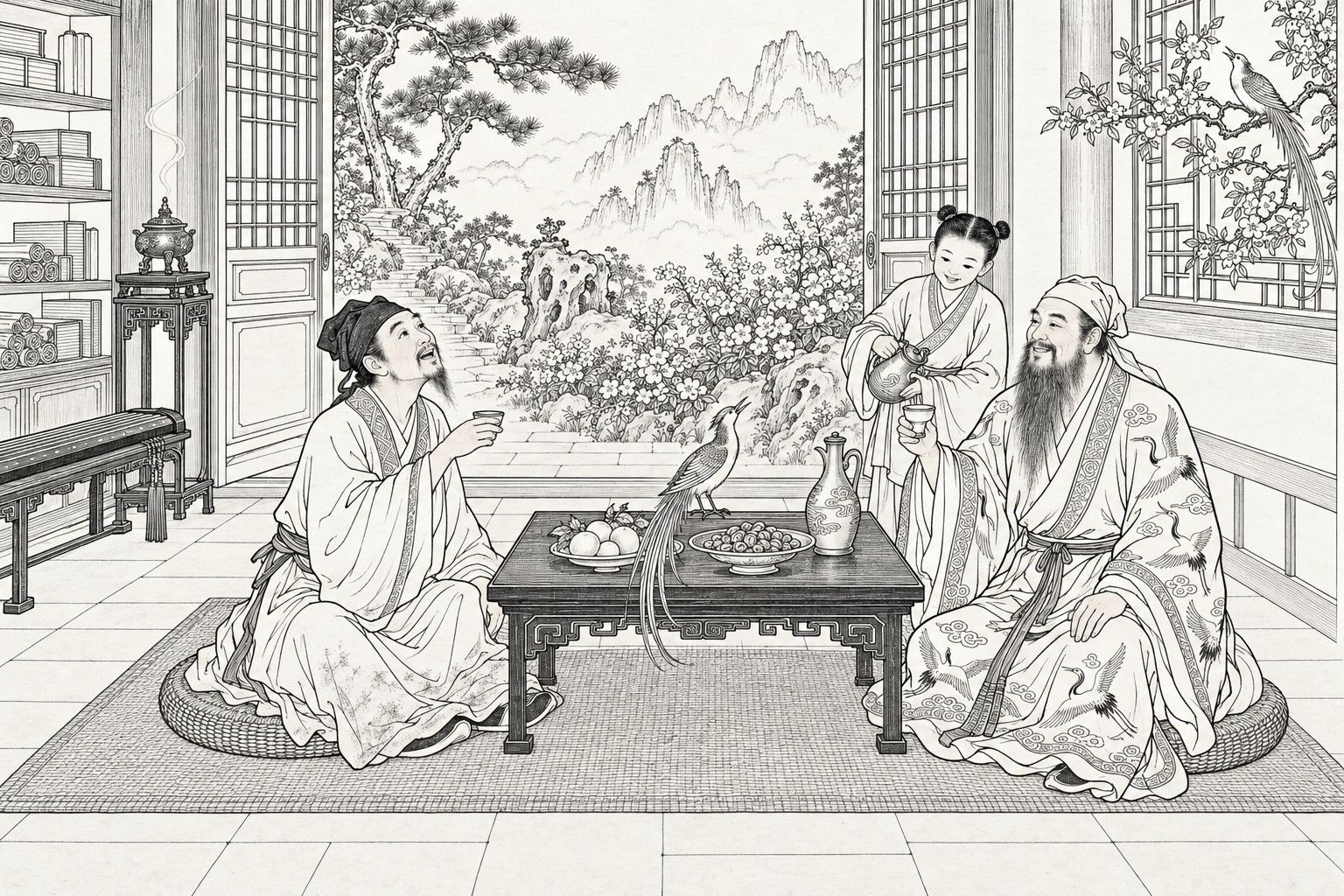
文登周生,與成生少共筆硯,遂訂為杵臼交。而成貧,故終歲常依周。以齒則周為長,呼周妻以嫂。節序登堂,如一家焉。周妻生子,產後暴卒。繼聘王氏,成以少故,未嘗請見之也。一日,王氏弟來省姊,宴于內寢。成適至。家人通白,周坐命邀之。成不入,辭去。周移席外舍,追之而還。甫坐,即有人白別業之僕,為邑宰重笞者。先是,黃吏部家牧傭,牛蹊周田,以是相詬。牧傭奔告主,捉僕送官,遂被笞責。周詰得其故,大怒曰:「黃家牧豬奴,何敢爾!其先世為大父服役;促得志,乃無人耶!」氣填吭臆,忿而起,欲往尋黃。成捺而止之,曰:「強梁世界,原無皂白。況今日官宰半強寇不操矛弧者耶?」周不聽。成諫止再三,至泣下,周乃止。怒終不釋,轉側達旦。謂家人曰:「黃家欺我,我仇也,姑置之。邑令為朝廷官,非勢家官,縱有互爭,亦須兩造,何至如狗之隨嗾者?我亦呈治其傭,視彼將何處分。」家人悉慫恿之,計遂決。具狀赴宰,宰裂而擲之。周怒,語侵宰。宰慚恚,因逮繫之。
文登周生,与成生少共笔砚,遂订为杵臼交。而成贫,故终岁常依周。以齿则周为长,呼周妻以嫂。节序登堂,如一家焉。周妻生子,产后暴卒。继聘王氏,成以少故,未尝请见之也。一日,王氏弟来省姊,宴于内寝。成适至。家人通白,周坐命邀之。成不入,辞去。周移席外舍,追之而还。甫坐,即有人白别业之仆,为邑宰重笞者。先是,黄吏部家牧佣,牛蹊周田,以是相诟。牧佣奔告主,捉仆送官,遂被笞责。周诘得其故,大怒曰:「黄家牧猪奴,何敢尔!其先世为大父服役;促得志,乃无人耶!」气填吭臆,忿而起,欲往寻黄。成捺而止之,曰:「强梁世界,原无皂白。况今日官宰半强寇不操矛弧者耶?」周不听。成谏止再三,至泣下,周乃止。怒终不释,转侧达旦。谓家人曰:「黄家欺我,我仇也,姑置之。邑令为朝廷官,非势家官,纵有互争,亦须两造,何至如狗之随嗾者?我亦呈治其佣,视彼将何处分。」家人悉怂恿之,计遂决。具状赴宰,宰裂而掷之。周怒,语侵宰。宰惭恚,因逮系之。
A scholar of Wendeng named Zhou and a scholar named Cheng had shared brush and inkstone since boyhood, and they swore a friendship of the mortar and pestle. Cheng was poor, and all year round he depended on Zhou. Zhou was the elder, so Cheng called Zhou’s wife ‘sister-in-law’. At the festivals he came up into the hall like one of the family. Zhou’s wife bore a son and died suddenly after the birth. Zhou married again, a wife of the Wang family, and because she was young Cheng had never asked to be presented to her. One day Mrs. Wang’s younger brother came to visit his sister, and they were feasting in the inner rooms when Cheng happened to arrive. A servant announced him, and Zhou, without getting up, told the man to bring him in. Cheng would not come in, and took his leave. Zhou had the feast moved to the outer hall, and went after him and brought him back. They had barely sat down when someone came to report that a servant from Zhou’s country estate had been badly flogged by the county magistrate. It had come about like this. A herdsman hired by the household of Huang, an official of the Ministry of Personnel, had let his cattle trample Zhou’s fields, and the two men had cursed each other over it. The herdsman ran to tell his master, who had Zhou’s man seized and handed over to the magistrate, and he was flogged. Zhou questioned the man and got the story, and flew into a rage. “That swineherd Huang, how dare he! His forebears were servants to my grandfather. He has come up in the world in a hurry — does he think there is nobody else left?” Rage choked his throat and swelled his chest. He sprang up in fury, meaning to go and find Huang. Cheng pushed him back down and stopped him. “This is a world of bullies,” he said. “Black and white never came into it. Besides, half the officials these days are bandits who just don’t carry spear and bow.” Zhou would not listen. Cheng begged him again and again, until he was in tears, and at last Zhou gave it up. But his anger never left him, and he tossed and turned till dawn. Then he said to his household, “The Huangs have wronged me, and they are my enemies, but let that be for now. The county magistrate is an officer of the court, not an officer of the great families. Even in a quarrel he has to hear both sides. Why should he jump like a dog when it’s set on? I will lodge a complaint of my own and have their herdsman punished, and we’ll see how he deals with that.” The household all egged him on, and so it was decided. He drew up a complaint and took it to the magistrate, who tore it up and threw it down. Zhou lost his temper and spoke insultingly to the magistrate. The magistrate, stung and angry, had him arrested and locked up.
辰後,成往訪周,始知入城訟理。急奔勸止,則已在囹圄矣。頓足無所為計。時獲海寇三名,宰與黃賂囑之,使捏周同黨。據詞申黜頂衣,搒掠酷慘。成入獄,相顧淒酸。謀叩闕。周曰:「身系重犴,如鳥在籠;雖有弱弟,止足供囚飯耳。」成銳身自任,曰:「是予責也。難而不急,烏用友也!」乃行。周弟贐之,則去已久矣。至都,無門入控。相傳駕將出獵,成預隱木市中;俄駕過,伏舞哀號,遂得准。驛送而下,著部院審奏。時閱十月余,周已誣服論辟。院接御批,大駭,復提躬讞。黃亦駭,謀殺周。因賂監者,絕其食飲;弟來饋問,苦禁拒之。成又為赴院聲屈,始蒙提問,業已飢餓不起。院臺怒,杖斃監者。黃大怖,納數千金,囑為營脫,以是得朦朧題免。宰以枉法擬流。周放歸,益肝膽成。
辰后,成往访周,始知入城讼理。急奔劝止,则已在囹圄矣。顿足无所为计。时获海寇三名,宰与黄赂嘱之,使捏周同党。据词申黜顶衣,搒掠酷惨。成入狱,相顾凄酸。谋叩阙。周曰:「身系重犴,如鸟在笼;虽有弱弟,止足供囚饭耳。」成锐身自任,曰:「是予责也。难而不急,乌用友也!」乃行。周弟赆之,则去已久矣。至都,无门入控。相传驾将出猎,成预隐木市中;俄驾过,伏舞哀号,遂得准。驿送而下,着部院审奏。时阅十月余,周已诬服论辟。院接御批,大骇,复提躬谳。黄亦骇,谋杀周。因赂监者,绝其食饮;弟来馈问,苦禁拒之。成又为赴院声屈,始蒙提问,业已饥饿不起。院台怒,杖毙监者。黄大怖,纳数千金,嘱为营脱,以是得朦胧题免。宰以枉法拟流。周放归,益肝胆成。
Later that morning Cheng went to call on Zhou, and only then learned that he had gone into town to go to law. He ran after him to stop him, but Zhou was already in jail. Cheng stamped his feet, at a loss what to do. Just then three pirates had been caught. The magistrate and Huang bribed them to name Zhou falsely as one of their gang. On their word the magistrate petitioned to strip Zhou of his licentiate’s cap and gown, and he was beaten and tortured most cruelly. Cheng went into the prison, and the two looked at each other in misery. They talked of appealing to the throne. “I am locked in a deep cell, like a bird in a cage,” said Zhou. “I have a younger brother, but he is weak — good for nothing but bringing a prisoner his meals.” Cheng stepped forward and took it upon himself. “This is my duty,” he said. “What use is a friend who won’t hurry when you are in trouble?” And he set out. Zhou’s brother came with money for the road, but Cheng was long gone. In the capital he could find no door through which to lodge his appeal. Word went round that the emperor was going out to hunt, so Cheng hid himself beforehand in the timber market. Presently the imperial train came by; he threw himself down in obeisance and cried out his grievance, and his appeal was accepted. It was sent down by the post relays, with orders for the governor’s tribunal to try the case and report to the throne. By then more than ten months had passed, and Zhou had confessed under torture to what he had not done and been sentenced to death. When the governor received the emperor’s endorsement he was greatly alarmed, and had the case brought up to try it himself. Huang was alarmed too, and plotted to kill Zhou. He bribed the jailer to stop Zhou’s food and drink; when Zhou’s brother came with food, the jailer turned him away hard. Cheng went to the governor again to cry out the injustice, and only then was Zhou brought up for questioning — by which time he was too starved to stand. The governor, in a rage, had the jailer beaten to death. Huang was terrified. He paid out He paid out several thousand taels of silver to have the matter smoothed over, and so the report to the throne was fudged and he got off. The magistrate was sentenced to exile for perverting the law. Zhou was set free and came home, more devoted to Cheng than ever.
成自經訟系,世情盡灰,招周偕隱。周溺少婦,輒迂笑之。成雖不言,而意甚決。別後,數日不至。周使探諸其家,家人方疑其在周所;兩無所見,始疑。周心知其異,遣人蹤跡之,寺觀壑谷,物色殆遍。時以金帛恤其子。又八九年,成忽自至,黃巾氅服,岸然道貌。周喜把臂曰:「君何往,使我尋欲遍?」成笑曰:「孤雲野鶴,棲無定所。別後幸復頑健。」周命置酒,略道間闊,欲為變易道裝。成笑不語。周曰:「愚哉!何棄妻孥猶敝履也?」成笑曰:「不然。人將棄予,其何人之能棄。」問所棲止,答在勞山之上清宮。既而抵足寢,夢成裸伏胸上,氣不得息。訝問何為,殊不答。忽驚而寤,呼成不應;坐而索之,杳然不知所往。定移時,始覺在成榻,駭曰:「昨不醉,何顛倒至此耶!」乃呼家人。家人火之,儼然成也。周固多髭,以手自捋,則疏無幾莖。取鏡自照,訝曰:「成生在此,我何往!」已而大悟,知成以幻術招隱。意欲歸內,弟以其貌異,禁不聽前。周亦無以自明。即命僕馬往尋成。數日,入勞山。馬行疾,僕不能及。休止樹下,見羽客往來甚眾。內一道人目周,周因以成問。道士笑曰:「耳其名矣,似在上清。」言已,徑去。周目送之,見一矢之外,又與一人語,亦不數言而去。與言者漸至,乃同社生。見周,愕曰:「數年不晤,人以君學道名山,今尚游戲人間耶?」周述其異。生驚曰:「我適遇之,而以為君也。去無幾時,或當不遠。」周大異,曰:「怪哉!何自己面目覿面而不之識?」僕尋至,急馳之,竟無蹤兆。一望寥闊,進退難以自主。自念無家可歸,遂決意窮追。而怪險不復可騎,遂以馬付僕歸,迤邐自往。遙見一童獨坐,趨近問程,且告以故。童自言為成弟子,代荷衣糧,導與俱行。星飯露宿,逴行殊遠,三日始至,又非世之所謂上清。時十月中,山花滿路,不類初冬。童入報客,成即遽出,始認己形。執手入,置酒宴語。見異彩之禽,馴人不驚,聲如笙簧,時來鳴于座上。心甚異之。然塵俗念切,無意留連。地下有蒲團二,曳與並坐。至二更後,萬慮俱寂,忽似瞥然一盹,身覺與成易位。疑之,自捋頷下,則于思者如故矣。既曙,浩然思返。成固留之。越三日,乃曰:「乞少寐息,早送君行。」甫交睫,聞成呼曰:「行裝已具矣。」遂起從之。
成自经讼系,世情尽灰,招周偕隐。周溺少妇,辄迂笑之。成虽不言,而意甚决。别后,数日不至。周使探诸其家,家人方疑其在周所;两无所见,始疑。周心知其异,遣人踪迹之,寺观壑谷,物色殆遍。时以金帛恤其子。又八九年,成忽自至,黄巾氅服,岸然道貌。周喜把臂曰:「君何往,使我寻欲遍?」成笑曰:「孤云野鹤,栖无定所。别后幸复顽健。」周命置酒,略道间阔,欲为变易道装。成笑不语。周曰:「愚哉!何弃妻孥犹敝履也?」成笑曰:「不然。人将弃予,其何人之能弃。」问所栖止,答在劳山之上清宫。既而抵足寝,梦成裸伏胸上,气不得息。讶问何为,殊不答。忽惊而寤,呼成不应;坐而索之,杳然不知所往。定移时,始觉在成榻,骇曰:「昨不醉,何颠倒至此耶!」乃呼家人。家人火之,俨然成也。周固多髭,以手自捋,则疏无几茎。取镜自照,讶曰:「成生在此,我何往!」已而大悟,知成以幻术招隐。意欲归内,弟以其貌异,禁不听前。周亦无以自明。即命仆马往寻成。数日,入劳山。马行疾,仆不能及。休止树下,见羽客往来甚众。内一道人目周,周因以成问。道士笑曰:「耳其名矣,似在上清。」言已,径去。周目送之,见一矢之外,又与一人语,亦不数言而去。与言者渐至,乃同社生。见周,愕曰:「数年不晤,人以君学道名山,今尚游戏人间耶?」周述其异。生惊曰:「我适遇之,而以为君也。去无几时,或当不远。」周大异,曰:「怪哉!何自己面目觌面而不之识?」仆寻至,急驰之,竟无踪兆。一望寥阔,进退难以自主。自念无家可归,遂决意穷追。而怪险不复可骑,遂以马付仆归,迤逦自往。遥见一童独坐,趋近问程,且告以故。童自言为成弟子,代荷衣粮,导与俱行。星饭露宿,逴行殊远,三日始至,又非世之所谓上清。时十月中,山花满路,不类初冬。童入报客,成即遽出,始认己形。执手入,置酒宴语。见异彩之禽,驯人不惊,声如笙簧,时来鸣于座上。心甚异之。然尘俗念切,无意留连。地下有蒲团二,曳与并坐。至二更后,万虑俱寂,忽似瞥然一盹,身觉与成易位。疑之,自捋颔下,则于思者如故矣。既曙,浩然思返。成固留之。越三日,乃曰:「乞少寐息,早送君行。」甫交睫,闻成呼曰:「行装已具矣。」遂起从之。
After the lawsuit and the prison, Cheng’s heart for the world turned to ash, and he urged Zhou to withdraw from it with him. But Zhou was besotted with his young wife, and would only laugh at the idea as impractical. Cheng said nothing more, but his mind was made up. After they parted, several days went by and he did not come. Zhou sent to ask at his house; his family had supposed he was at Zhou’s. Neither had seen him, and they began to worry. Zhou knew in his heart what it meant. He sent men to track him, and they searched nearly every temple and monastery, every gorge and valley. From time to time he sent money and silk to help Cheng’s son. Eight or nine years later Cheng suddenly turned up of his own accord, in a yellow headcloth and a Daoist’s cloak, with all the grave bearing of a man of the Way. Zhou was delighted and seized his arm. “Where have you been? I have searched almost everywhere for you!” Cheng laughed. “A lone cloud, a wild crane: I have no fixed roost. Since we parted I have kept hale, I’m glad to say.” Zhou ordered wine, and they talked a little of the years apart. Zhou wanted him to change out of his Daoist clothes; Cheng only smiled and said nothing. “You fool!” said Zhou. “How could you throw away your wife and child like a worn-out shoe?” Cheng laughed. “Not so. People will throw me away. Who is there that I could throw away?” Asked where he lived, he said at the Palace of Highest Clarity on Mount Lao. Later they lay down to sleep foot to foot, and Zhou dreamed that Cheng was lying naked on his chest, so that he could not breathe. Startled, he asked what he was doing, but Cheng gave no answer at all. Zhou woke with a start and called to Cheng, but there was no reply. He sat up and felt about for him, but Cheng was gone, no one knew where. After a while he collected himself, and found that he was lying on Cheng’s side of the bed. “I wasn’t drunk last night,” he said in alarm. “How did I get turned around like this?” He called for the servants. They brought a light, and there, unmistakably, was Cheng. Zhou had always had a thick beard. He stroked his chin: there were only a few thin hairs. He took a mirror and looked at himself. “Here is Cheng,” he cried, “but where have I gone?” Then it dawned on him: Cheng had used magic to call him away from the world. He wanted to go into the inner rooms, but his brother, seeing a stranger’s face, would not let him near. And Zhou had no way to prove who he was. At once he ordered a servant and horses and set out to find Cheng. In a few days he entered Mount Lao. His horse went fast, and the servant could not keep up. He stopped to rest under a tree, and saw a great many feather-robed Daoists coming and going. One of them looked hard at Zhou, so Zhou asked him about Cheng. The Daoist laughed. “I have heard the name. I believe he is at Highest Clarity.” And with that he went straight off. Zhou watched him go. A bowshot away the Daoist stopped to talk with someone else, said only a few words, and went on. The man he had spoken to came nearer: it was a fellow member of Zhou’s literary society. Seeing Zhou, he was astonished. “I haven’t seen you for years. People said you had gone off to the famous mountains to study the Way — and here you are, still playing about in the world?” Zhou told him what had happened. The man was startled. “I just met him, and I took him for you! He left only a moment ago. He can’t be far.” Zhou was amazed. “How strange! I came face to face with my own face and didn’t know it!” His servant caught up, and they rode hard after Cheng, but found no trace of him. All around was empty wilderness, and Zhou could not decide whether to go on or turn back. Then he thought that he had no home to go back to, and resolved to follow to the end. But the way became too wild and steep to ride, so he gave the horse to the servant to take home, and wound his way on alone. Far off he saw a boy sitting by himself. He hurried up to ask the way, and told him why he had come. The boy said he was Cheng’s disciple. He took Zhou’s clothes and provisions on his own back and led him on. Eating under the stars and sleeping in the dew, they went a very long way, and only on the third day did they arrive. It was not the Highest Clarity the world knows. It was the middle of the tenth month, yet mountain flowers lined the path; it was nothing like early winter. The boy went in to announce a visitor, and Cheng came hurrying out. Only then did Zhou recognize his own form. Cheng took his hand and led him in, and set out wine, and they feasted and talked. Birds of strange bright plumage, so tame they had no fear of people, came now and then and sang above their seats with voices like reed pipes. Zhou marvelled at them. But his thoughts of the dusty world were pressing, and he had no wish to linger. There were two rush cushions on the floor; Cheng drew him down and they sat side by side. After the second watch, when every care had fallen still, Zhou seemed to nod off for an instant, and felt that he and Cheng had changed places. Wondering, he stroked his chin: the bushy beard was there as before. At daybreak he was set on going home. Cheng pressed him to stay. After three days Cheng said, “Take a little sleep, and I will see you off early.” Zhou had barely closed his eyes when he heard Cheng call, “Your things are ready.” So he got up and followed him.
所行殊非舊途,覺無幾時,里居已在望中。成坐候路側,俾自歸。周強之不得,因踽踽至家門。叩不能應,思欲越牆,覺身飄似葉,一躍已過。凡逾數重垣,始抵臥室,燈燭熒然,內人未寢,噥噥與人語。舐窗以窺,則妻與一廝僕同杯飲,狀甚狎褻。於是怒火如焚;計將掩執,又恐孤力難勝。遂潛身脫扃而出,奔告成,且乞為助。成慨然從之,直抵內寢。周舉石撾門,內張皇甚;擂愈急,內閉益堅。成撥以劍,劃然頓闢。周奔入,僕沖戶而走。成在門外,以劍擊之,斷其肩臂。周執妻拷訊,乃知被收時即與僕私。周借劍決其首,罥腸庭樹間。乃從成出,尋途而返。驀然忽醒,則身在臥榻,驚而言曰:「怪夢參差,使人駭懼!」成笑曰:「夢者兄以為真,真者乃以為夢。」周愕而問之。成出劍示之,濺血猶存。周驚怛欲絕,竊疑成譸張為幻。成知其意,乃促裝送之歸。荏苒至里門,乃曰:「疇昔之夜,倚劍而相待者,非此處耶!吾厭見惡濁,請還待君于此;如過晡不來,予自去。」周至家,門戶蕭索,似無居人。還入弟家。弟見兄,雙淚遽墮,曰:「兄去後,盜夜殺嫂,刳腸去,酷慘可悼。于今官捕未獲。」周如夢醒,因以情告,戒勿究。弟錯愕良久。周問其子,乃命老媼抱至。周曰:「此襁褓物,宗緒所關,弟好視之。兄欲辭人世矣。」遂起,徑出。弟涕泗追挽,笑行不顧。至野外,見成,與俱行。遙回顧曰:「忍事最樂。」弟欲有言,成闊袖一舉,即不可見。悵立移時,痛哭而返。
所行殊非旧途,觉无几时,里居已在望中。成坐候路侧,俾自归。周强之不得,因踽踽至家门。叩不能应,思欲越墙,觉身飘似叶,一跃已过。凡逾数重垣,始抵卧室,灯烛荧然,内人未寝,哝哝与人语。舐窗以窥,则妻与一厮仆同杯饮,状甚狎亵。于是怒火如焚;计将掩执,又恐孤力难胜。遂潜身脱扃而出,奔告成,且乞为助。成慨然从之,直抵内寝。周举石挝门,内张皇甚;擂愈急,内闭益坚。成拨以剑,划然顿辟。周奔入,仆冲户而走。成在门外,以剑击之,断其肩臂。周执妻拷讯,乃知被收时即与仆私。周借剑决其首,罥肠庭树间。乃从成出,寻途而返。蓦然忽醒,则身在卧榻,惊而言曰:「怪梦参差,使人骇惧!」成笑曰:「梦者兄以为真,真者乃以为梦。」周愕而问之。成出剑示之,溅血犹存。周惊怛欲绝,窃疑成诪张为幻。成知其意,乃促装送之归。荏苒至里门,乃曰:「畴昔之夜,倚剑而相待者,非此处耶!吾厌见恶浊,请还待君于此;如过晡不来,予自去。」周至家,门户萧索,似无居人。还入弟家。弟见兄,双泪遽堕,曰:「兄去后,盗夜杀嫂,刳肠去,酷惨可悼。于今官捕未获。」周如梦醒,因以情告,戒勿究。弟错愕良久。周问其子,乃命老媪抱至。周曰:「此襁褓物,宗绪所关,弟好视之。兄欲辞人世矣。」遂起,径出。弟涕泗追挽,笑行不顾。至野外,见成,与俱行。遥回顾曰:「忍事最乐。」弟欲有言,成阔袖一举,即不可见。怅立移时,痛哭而返。
The road they took was not the way he had come, and it seemed no time at all before his home village was in sight. Cheng sat down by the roadside to wait, and let Zhou go on alone. Zhou could not make him come, so he went on by himself to his own gate. He knocked, but no one answered. He thought of climbing the wall, and found his body as light as a leaf: one leap and he was over. He crossed several more walls before he reached the bedroom. A lamp was glimmering; his wife was not yet asleep, and was murmuring to someone. He licked a hole in the window paper and peeped through: his wife was drinking from the same cup as one of the menservants, and the two were very lewd together. Rage burned in him like fire. He thought of bursting in and seizing them, but feared he could not manage it alone. So he slipped out, unbarring the gate, ran to tell Cheng, and begged his help. Cheng came at once, without a second thought, and they went straight to the inner rooms. Zhou picked up a stone and pounded on the door. Inside there was panic. The harder he battered, the more firmly they held it shut. Cheng pried at it with his sword, and it flew open with a crack. Zhou rushed in; the servant burst out of the door and ran. Cheng, waiting outside, struck at him with his sword and cut off his arm at the shoulder. Zhou seized his wife and beat the truth out of her: she had been carrying on with the servant ever since he was arrested. Zhou borrowed the sword, cut off her head, and hung her guts in the tree in the courtyard. Then he went out with Cheng and found the road back. All at once he woke, and he was lying in bed. “What a strange, tangled dream,” he said, shaken. “It frightened me!” Cheng laughed. “Brother, you take a dream for real, and what is real you take for a dream.” Zhou stared and asked what he meant. Cheng drew his sword and showed it to him: the spattered blood was still on it. Zhou was so horrified he nearly fainted. Secretly he suspected Cheng of tricking him with illusions. Cheng knew what he was thinking, so he had him pack and took him home. In time they came to the village gate. “Isn’t this where I waited for you that night, leaning on my sword?” said Cheng. “I can’t bear the sight of filth. Let me wait for you here again. If you have not come by late afternoon, I will go on alone.” Zhou reached his house. It was bleak and desolate, as if no one lived there. He went on to his brother’s house. When his brother saw him, the tears poured down. “After you left, a robber came in the night and killed your wife. He cut her open and pulled out her guts, then made off — it was horrible, pitiful. The constables still haven’t caught him.” Zhou felt as if he were waking from a dream. He told his brother what had really happened, and warned him not to pursue it. His brother was stunned for a long time. Zhou asked after his son, and his brother had an old nurse carry the boy in. “This child in swaddling clothes carries on our family line,” said Zhou. “Look after him well, brother. I am about to take leave of the world.” And he rose and walked straight out. His brother ran after him in tears, trying to hold him back, but Zhou laughed and walked on without looking round. Out in the open country he found Cheng, and they went on together. From far off Zhou looked back and called, “Bear things patiently — that is the greatest happiness!” His brother was about to say something when Cheng raised one of his wide sleeves, and they were gone. He stood forlorn for a while, then went home weeping bitterly.
周弟樸拙,不善治家人生產,居數年,家益貧。周子漸長,不能延師,因自教讀。一日,早至齋,見案頭有函書,緘封甚固,簽題「仲氏啟」。審之,為兄跡;開視,則虛無所有,只見爪甲一枚,長二指許。心怪之。以甲置研上,出問家人所自來,並無知者。回視,則研石燦燦,化為黃金。大驚。以試銅鐵,皆然。由此大富。以千金賜成氏子,因相傳兩家有點金術雲。
周弟朴拙,不善治家人生产,居数年,家益贫。周子渐长,不能延师,因自教读。一日,早至斋,见案头有函书,缄封甚固,签题「仲氏启」。审之,为兄迹;开视,则虚无所有,只见爪甲一枚,长二指许。心怪之。以甲置研上,出问家人所自来,并无知者。回视,则研石灿灿,化为黄金。大惊。以试铜铁,皆然。由此大富。以千金赐成氏子,因相传两家有点金术云。
Zhou’s brother was a simple, clumsy man, no good at managing the family’s living, and within a few years the household was poorer than ever. Zhou’s son was growing up, and with no money to hire a tutor, his uncle taught him to read himself. One day the brother went early to the study and found a letter on the desk, very tightly sealed and addressed: ‘To be opened by my younger brother.’ He looked closer: it was his brother’s hand. He opened it: there was nothing inside but a single fingernail, about two fingers long. He thought it strange. He laid the nail on the inkstone and went out to ask the household where the letter had come from, but no one knew. When he looked back, the inkstone was glittering: it had turned to gold. He was astounded. He tried the nail on copper and iron, and they turned to gold too. From then on he was very rich. He gave a thousand in gold to Cheng’s son, and so it was said that the two families had the art of turning things to gold.