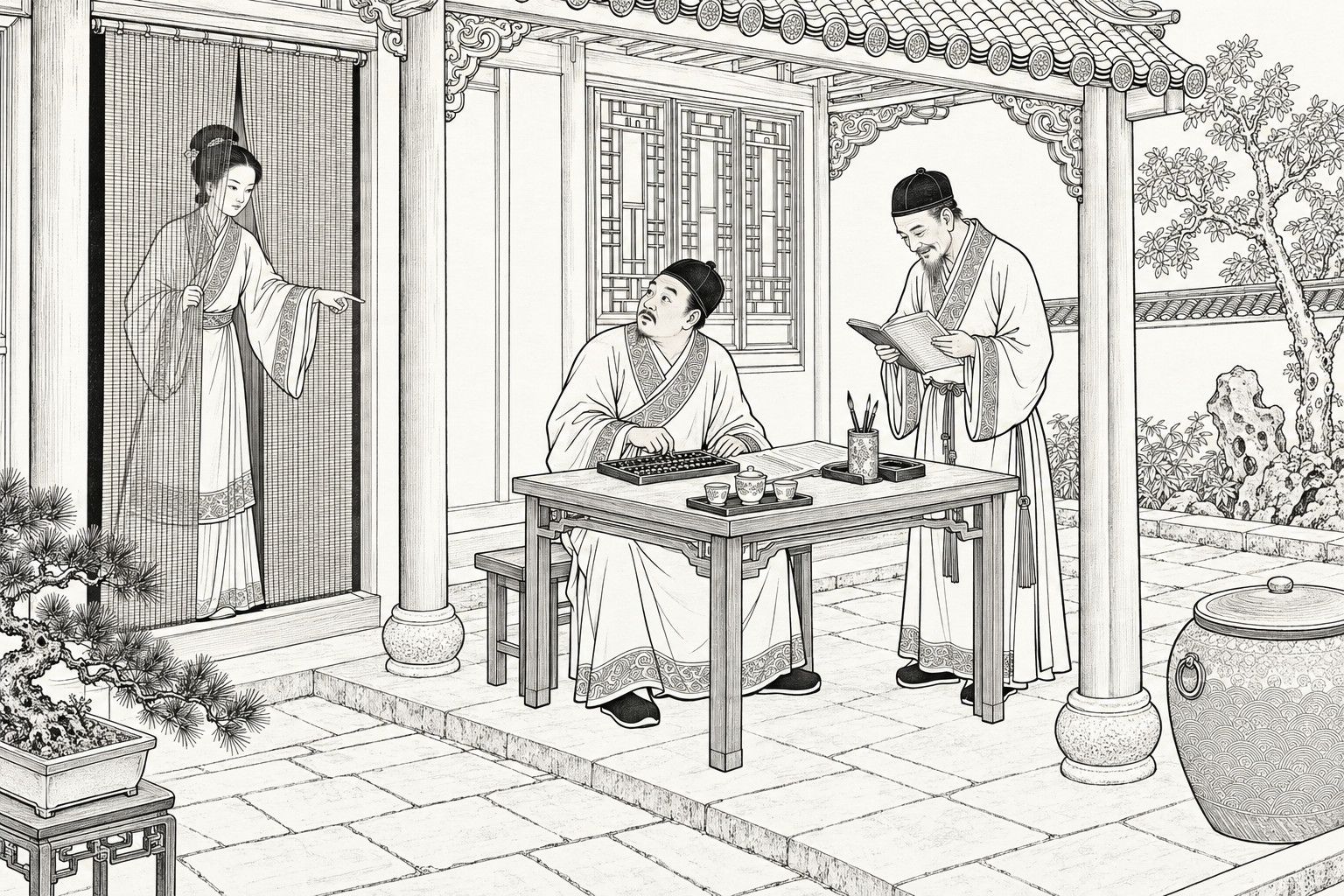
周生,順天宦裔也。與柳生善。柳得異人之傳,精袁許之術。嘗謂周曰:「子功名無分;萬鍾之貲,尚可以人謀。然尊閫薄相,恐不能佐君成業。」未幾,婦果亡。家室蕭條,不可聊賴。因詣柳,將以卜姻。入客舍,坐良久,柳歸內不出。呼之再三,始出,曰:「我日為君物色佳偶,今始得之。適在內作小術,求月老繫赤繩耳。」周喜問之。答曰:「甫有一人攜囊出,遇之否?」曰:「遇之。襤褸若丐。」曰:「此君岳翁,宜敬禮之。」周曰:「緣相交好,遂謀隱密,何相戲之甚也!僕即式微,猶是世裔,何至下昏於市儈?」柳曰:「不然。犁牛尚有子,何害?」周問:「曾見其女耶?」答曰:「未也。我素與無舊,姓名亦問訊知之。」周笑曰:「尚未知犁牛,何知其子?」柳曰:「我以數信之。其人兇而賤,然當生厚福之女。但強合之必有大厄,容復禳之。」周既歸,未肯以其言為信,諸方覓之,迄無一成。一日,柳生忽至,曰:「有一客,我已代折簡矣。」問:「為誰?」曰:「且勿問,宜速作黍。」周不喻其故,如命治具。俄客至,蓋傅姓營卒也。心內不合,陽浮道譽之;而柳生承應甚恭。少間,酒肴既陳,雜惡草具進。柳起告客:「公子嚮慕已久,每託某代訪,曩夕始得晤。又聞不日遠征,立刻相邀,可謂倉卒主人矣。」飲間,傅憂馬病,不可騎。柳亦俛首為之籌思。既而客去,柳讓周曰:「千金不能買此友,何乃視之漠漠?」借馬騎歸,因假周命,登門持贈傅。周既知,稍稍不快,已無如何。過歲,將如江西,投臬司幕。詣柳問卜。柳言:「大吉!」周笑曰:「我意無他,但薄有所獵,當購佳婦,幾幸前言之不驗也,能否?」柳云:「並如君願。」及至江西,值大寇叛亂,三年不得歸。後稍平,選日遵路,中途為土寇所掠,同難七八人,皆劫其金貲,釋令去;惟周被擄至巢。盜首詰其家世,因曰:「我有息女,欲奉箕帚,當即無辭。」周不答,盜怒,立命梟斬。周懼,思不如暫從其請,因從容而棄之。遂告曰:「小生所以踟躕者,以文弱不能從戎,恐益為丈人累耳。如使夫婦得相將俱去,恩莫厚焉。」盜曰:「我方憂女子累人,此何不可從也。」引入內,妝女出見,年可十八九,蓋天人也。當夕合巹,深過所望。細審姓氏,乃知其父,即當年荷囊人也。因述柳言,為之感歎。過三四日,將送之行,忽大軍掩至,全家皆就執縛。有將官三員監視,已將婦翁斬訖,尋次及周。周自分已無生理,一員審視曰:「此非周某耶?」蓋傅卒已以軍功授副將軍矣。謂僚曰:「此吾鄉世家名士,安得為賊。」解其縛,問所從來。周詭曰:「適從江臬娶婦而歸,不意途陷盜窟,幸蒙拯救,德戴二天!但室人離散,求借洪威,更賜瓦全。」傅命列諸俘,令其自認,得之。餉以酒食,助以資斧,曰:「曩受解驂之惠,旦夕不忘。但搶攘間不遑修禮,請以馬二匹、金五十兩,助君北旋。」又遣二騎持信矢護送之。途中,女告周曰:「癡父不聽忠告,母氏死之。知有今日久矣;所以偷生旦暮者,以少時曾為相者所許,冀他日能收親骨耳。某所窖藏巨金,可以發贖父骨;餘者攜歸,尚足謀生產。」囑騎者候於路,兩人至舊處,廬舍已燼,於灰火中,取佩刀掘尺許,果得金;盡裝入橐,乃返。以百金賂騎者,使瘞翁尸;又引拜母冢,始行。至直隸界,厚賜騎者而去。周久不歸,家人謂其已死,恣意侵冒,粟帛器具,蕩無存者。及聞主人歸,大懼,鬨然盡逃;祇有一嫗,一婢,一老奴在焉。周以出死得生,不復追問。及訪柳,則不知所適矣。女持家逾於男子,擇醇篤者授以貲本,而均其息。每諸商會計於簷下,女垂簾聽之;盤中誤下一珠,輒指其訛。內外無敢欺。數年,夥商盈百,家數十巨萬矣。乃遣人移親骨,厚葬之。
周生,顺天宦裔也。与柳生善。柳得异人之传,精袁许之术。尝谓周曰:「子功名无分;万锺之赀,尚可以人谋。然尊阃薄相,恐不能佐君成业。」未几,妇果亡。家室萧条,不可聊赖。因诣柳,将以卜姻。入客舍,坐良久,柳归内不出。呼之再三,始出,曰:「我日为君物色佳偶,今始得之。适在内作小术,求月老系赤绳耳。」周喜问之。答曰:「甫有一人携囊出,遇之否?」曰:「遇之。褴褛若丐。」曰:「此君岳翁,宜敬礼之。」周曰:「缘相交好,遂谋隐密,何相戏之甚也!仆即式微,犹是世裔,何至下昏于市侩?」柳曰:「不然。犁牛尚有子,何害?」周问:「曾见其女耶?」答曰:「未也。我素与无旧,姓名亦问讯知之。」周笑曰:「尚未知犁牛,何知其子?」柳曰:「我以数信之。其人凶而贱,然当生厚福之女。但强合之必有大厄,容复禳之。」周既归,未肯以其言为信,诸方觅之,迄无一成。一日,柳生忽至,曰:「有一客,我已代折简矣。」问:「为谁?」曰:「且勿问,宜速作黍。」周不喻其故,如命治具。俄客至,盖傅姓营卒也。心内不合,阳浮道誉之;而柳生承应甚恭。少间,酒肴既陈,杂恶草具进。柳起告客:「公子向慕已久,每托某代访,曩夕始得晤。又闻不日远征,立刻相邀,可谓仓卒主人矣。」饮间,傅忧马病,不可骑。柳亦俛首为之筹思。既而客去,柳让周曰:「千金不能买此友,何乃视之漠漠?」借马骑归,因假周命,登门持赠傅。周既知,稍稍不快,已无如何。过岁,将如江西,投臬司幕。诣柳问卜。柳言:「大吉!」周笑曰:「我意无他,但薄有所猎,当购佳妇,几幸前言之不验也,能否?」柳云:「并如君愿。」及至江西,值大寇叛乱,三年不得归。后稍平,选日遵路,中途为土寇所掠,同难七八人,皆劫其金赀,释令去;惟周被掳至巢。盗首诘其家世,因曰:「我有息女,欲奉箕帚,当即无辞。」周不答,盗怒,立命枭斩。周惧,思不如暂从其请,因从容而弃之。遂告曰:「小生所以踟蹰者,以文弱不能从戎,恐益为丈人累耳。如使夫妇得相将俱去,恩莫厚焉。」盗曰:「我方忧女子累人,此何不可从也。」引入内,妆女出见,年可十八九,盖天人也。当夕合卺,深过所望。细审姓氏,乃知其父,即当年荷囊人也。因述柳言,为之感叹。过三四日,将送之行,忽大军掩至,全家皆就执缚。有将官三员监视,已将妇翁斩讫,寻次及周。周自分已无生理,一员审视曰:「此非周某耶?」盖傅卒已以军功授副将军矣。谓僚曰:「此吾乡世家名士,安得为贼。」解其缚,问所从来。周诡曰:「适从江臬娶妇而归,不意途陷盗窟,幸蒙拯救,德戴二天!但室人离散,求借洪威,更赐瓦全。」傅命列诸俘,令其自认,得之。饷以酒食,助以资斧,曰:「曩受解骖之惠,旦夕不忘。但抢攘间不遑修礼,请以马二匹、金五十两,助君北旋。」又遣二骑持信矢护送之。途中,女告周曰:「痴父不听忠告,母氏死之。知有今日久矣;所以偷生旦暮者,以少时曾为相者所许,冀他日能收亲骨耳。某所窖藏巨金,可以发赎父骨;余者携归,尚足谋生产。」嘱骑者候于路,两人至旧处,庐舍已烬,于灰火中,取佩刀掘尺许,果得金;尽装入橐,乃返。以百金赂骑者,使瘗翁尸;又引拜母冢,始行。至直隶界,厚赐骑者而去。周久不归,家人谓其已死,恣意侵冒,粟帛器具,荡无存者。及闻主人归,大惧,哄然尽逃;祇有一妪,一婢,一老奴在焉。周以出死得生,不复追问。及访柳,则不知所适矣。女持家逾于男子,择醇笃者授以赀本,而均其息。每诸商会计于檐下,女垂帘听之;盘中误下一珠,辄指其讹。内外无敢欺。数年,伙商盈百,家数十巨万矣。乃遣人移亲骨,厚葬之。
A scholar named Zhou, of Shuntian, came of a family of officials. He was close friends with a scholar named Liu. Liu had been taught by an extraordinary man and was a master of the art of Yuan and Xu. He once said to Zhou, “Office and fame are not in your lot. Great wealth you can still win by your own efforts. But your good lady has a meagre face; I fear she cannot help you make your fortune.” Before long, the wife did die. Zhou’s house was desolate, and he had nothing to live for. So he went to Liu to have his marriage prospects divined. He was shown into the guest room and sat there a long time; Liu had gone into the inner rooms and did not come out. Only after Zhou had called him several times did he appear. “Every day I have been looking out a good match for you,” he said, “and today at last I found one. Just now I was inside working a small spell, asking the Old Man under the Moon to tie the red cord.” Zhou, delighted, asked who it was. “A man carrying a sack just went out. Did you pass him?” “I did. He was in rags, like a beggar.” “That is your father-in-law. You should treat him with respect.” “Because we are friends I came to you about a private matter,” said Zhou. “Why make such a joke of me? Fallen as I am, I still come of an old official family. How could I stoop to marry into a huckster’s house?” “Not so,” said Liu. “Even a brindled ox may have a fine calf. Where is the harm?” “Have you seen his daughter?” Zhou asked. “No. I have never had any acquaintance with him; I had to ask about to learn even his name.” Zhou laughed. “You don’t even know the ox, and you know its calf?” “I trust my reckoning of fate,” said Liu. “The man is violent and base, yet he is bound to father a daughter of great good fortune. But if the match is forced, there will surely be a great calamity. Leave it to me to ward it off.” Zhou went home. Unwilling to believe him, he looked for a match on every side, but nothing ever came of it. One day Liu suddenly arrived. “There is a guest coming,” he said. “I have already sent him an invitation in your name.” “Who is it?” “Never mind for now. Get a meal ready, quickly.” Zhou did not understand why, but he did as he was told and laid out a meal. Soon the guest arrived: a common soldier of the garrison named Fu. Zhou was put out at heart and outwardly paid him a few hollow compliments; but Liu waited on him with great deference. Presently the wine and dishes were set out, with coarse, meagre fare mixed in among them. Liu rose and said to the guest, “The young master has long admired you, and has often asked me to seek you out for him. Only the other evening did I manage to meet you. Then he heard that you would soon be marching far away, and invited you at once. You might call him a host in a hurry.” As they drank, Fu fretted that his horse was sick and could not be ridden. Liu, too, bowed his head and pondered the problem for him. When the guest had gone, Liu reproached Zhou: “A thousand pieces of gold could not buy a friend like that. Why were you so cold to him?” He borrowed Zhou’s horse to ride home, and then, in Zhou’s name, took it to Fu’s door and presented it to him. When Zhou found out, he was somewhat displeased, but there was nothing to be done. A year later, he was about to go to Jiangxi to join the staff of the provincial judicial commissioner, and he went to Liu to have his fortune told. “Most auspicious!” said Liu. Zhou laughed. “All I want is to pick up a little money and buy myself a good wife — and I rather hope your earlier words will not come true. Can it be done?” “All will be as you wish,” said Liu. When Zhou reached Jiangxi, a great rebellion broke out, and for three years he could not get home. When things had calmed a little, he chose a day and set out. On the way he was seized by local bandits. Seven or eight others were taken with him; the bandits robbed them all of their money and let them go. Only Zhou was carried off to their lair. The bandit chief questioned him about his family, then said, “I have a daughter. I want her to keep house for you as your wife. Don’t say no.” Zhou did not answer. The bandit flew into a rage and ordered him beheaded on the spot, his head to be hung up. Zhou was frightened. He thought it best to agree for the time being and quietly abandon her later. So he said, “I hesitated only because I am a weak scholar who cannot follow a soldier’s life, and I was afraid I would only be a burden to you, my father-in-law. If husband and wife may leave together, there could be no greater kindness.” “I was just worrying that a girl is a burden here myself,” said the bandit. “Why not?” He took Zhou inside and had the girl dressed and brought out to meet him. She was perhaps eighteen or nineteen, a goddess come down to earth. That evening they drank the wedding cup together, and she far exceeded his hopes. Questioning her closely about her family, he learned that her father was the very man with the sack from years before. He told her what Liu had said and sighed over it. Three or four days later, just as the two of them were to be sent on their way, a great army fell on the place by surprise, and the whole family was seized and bound. Three officers oversaw the executions. The father-in-law had already been beheaded, and Zhou’s turn came next. Zhou was sure he was as good as dead, when one of the officers looked him over and said, “Isn’t this Zhou?” It was Fu the soldier, who had by now been made a lieutenant general for his merit in the field. He said to his fellow officers, “This is a well-known scholar from an old family of my home district. How could he be a bandit?” He untied him and asked how he came to be there. Zhou made up a story. “I had just taken a wife at the judicial commissioner’s in Jiangxi and was on my way home when, without warning, I fell into the bandits’ den. By good fortune you have rescued me; I shall revere your kindness as a second Heaven! But my wife has been parted from me. I beg you, by your great authority, to spare her too.” Fu had the captives lined up and told Zhou to pick her out himself, and he found her. Fu gave them food and wine and money for the road. “Once you did me the kindness of unhitching a horse for me,” he said, “and I have never forgotten it, morning or night. But in all this turmoil I have no time to show you proper courtesy. Please take two horses and fifty taels to help you home to the north.” He also sent two horsemen carrying a token arrow to escort them. On the road the girl said to Zhou, “My foolish father would not listen to good advice, and my mother died of it. I have long known this day would come. I lived on from one day to the next only because, when I was young, a face-reader promised me a good future, and I hoped that one day I might gather up my parents’ bones. In a certain place there is a great sum buried. We can dig it up and use it to ransom my father’s bones; what is left we can take home, and it will be enough to make a living.” They told the horsemen to wait on the road, and the two of them went to the old place. The houses had burned to ashes. Among the ashes and embers they dug with a belt knife, and a foot down, there indeed was the money. They loaded all of it into sacks and went back. They gave the horsemen a hundred taels to bury her father’s body, and she took Zhou to bow at her mother’s grave; only then did they set out. At the border of Zhili they rewarded the horsemen generously and parted from them. Zhou had been gone so long that his servants thought him dead and helped themselves as they pleased: grain, silk, furnishings — nothing was left. When they heard their master was coming home, they were terrified and ran off in a body. Only an old woman, a maid and an old manservant remained. Zhou had escaped death and come home alive, and did not pursue the matter. When he went to look for Liu, no one knew where he had gone. His wife ran the household better than any man. She chose honest, steady men, gave them capital and shared the profits with them equally. Whenever the merchants went over the accounts beneath the eaves, she listened behind a lowered curtain; if a single bead was slipped wrong on the abacus, she would point out the mistake at once. No one, in the house or out of it, dared cheat her. Within a few years more than a hundred merchants were trading in partnership with her, and the family was worth hundreds of thousands. Then she sent men to move her parents’ bones and gave them a lavish burial.