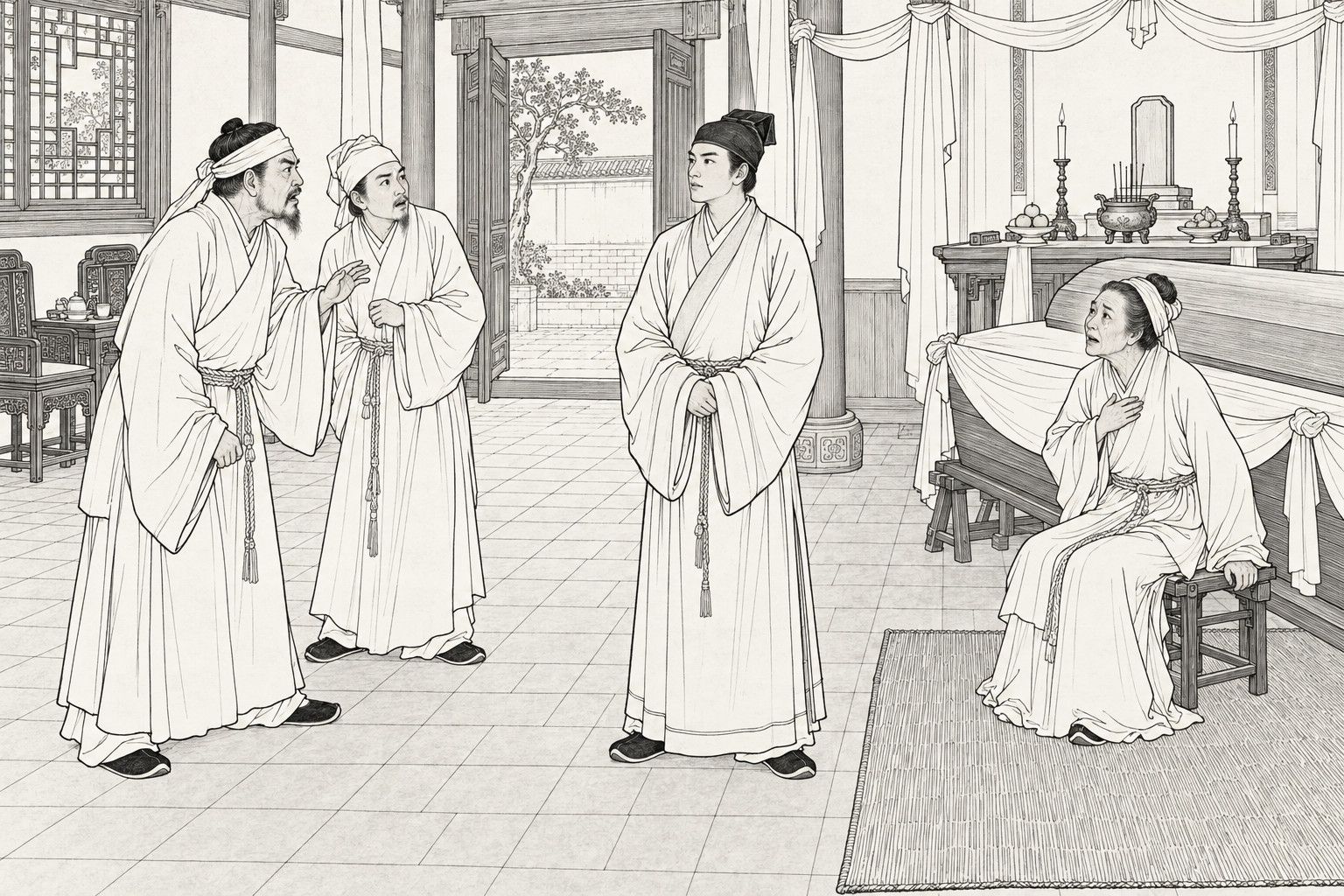
段瑞環,大名富翁也。四十無子。妻連氏最妒,欲買妾而不敢。私一婢;連覺之,撻婢數百,鬻諸河間欒氏之家。段日益老,諸姪朝夕乞貸,一言不相應,怒徵聲色。段思不能給其求,而欲嗣一姪,則群姪阻撓之,連之悍亦無所施,始大悔。憤曰:「翁年六十餘,安見不能生男!」遂買兩妾,聽夫臨幸,不之問。居年餘,二妾皆有身,舉家皆喜。於是氣息漸舒。凡諸姪有所強取,輒惡聲梗拒之。無何,一妾生女,一妾生男而殤。夫妻失望。又將年餘,段中風不起,諸姪益肆,牛馬什物,競自取去。連詬斥之,輒反脣相稽。無所為計,朝夕嗚哭。段病益劇,尋死。諸姪集柩前,議析遺產。連雖痛切,然不能禁止之。但留沃墅一所,贍養老稚,姪輩不肯。連曰:「汝等寸土不留,將令老嫗及呱呱者餓死耶!」日不決,惟忿哭自撾。忽有客入弔,直趨靈所,俯仰盡哀。哀已,便就苫次。眾詰為誰。客曰:「亡者吾父也。」眾益駭。客從容自陳。先是,婢嫁欒氏,踰五六月,生子懷,欒撫之等諸男。十八歲入泮。後欒卒,諸兄析產,置不與諸欒齒。懷問母,始知其故。曰:「既屬兩姓,各有宗祏,何必在此承人百畝田哉!」乃命騎詣段,而段已死。言之鑿鑿,確可信據。連方忿痛,聞之大喜,直出曰:「我今亦復有兒!諸所假去牛馬什物,可好自送還;不然,有訟興也!」諸姪相顧失色,漸引去。懷乃攜妻來,共居父憂。諸段不平,共謀逐懷。懷知之,曰:「欒不以為欒,段復不以為段,我安適歸乎!」忿欲質官,諸戚黨為之排解,群謀亦寢。而連以牛馬故,不肯已。懷勸置之。連曰:「我非為牛馬也,雜氣集滿胸,汝父以憤死,我所以吞聲忍泣者,為無兒耳。今有兒,何畏哉!前事汝不知狀,待予自質審。」懷固止之,不聽,具詞赴宰控。宰拘諸段,審狀,連氣直詞惻,吐陳泉湧。宰為動容,并懲諸段,追物給主。既歸,其兄弟之子有不與黨謀者,招之來,以所追物,盡散給之。連七十餘歲,將死,呼女及孫媳曰:「汝等誌之:如三十不育,便當典質釵珥,為婿納妾。無子之情狀實難堪也!」
段瑞环,大名富翁也。四十无子。妻连氏最妒,欲买妾而不敢。私一婢;连觉之,挞婢数百,鬻诸河间栾氏之家。段日益老,诸姪朝夕乞贷,一言不相应,怒徵声色。段思不能给其求,而欲嗣一姪,则群姪阻挠之,连之悍亦无所施,始大悔。愤曰:「翁年六十余,安见不能生男!」遂买两妾,听夫临幸,不之问。居年余,二妾皆有身,举家皆喜。于是气息渐舒。凡诸姪有所强取,辄恶声梗拒之。无何,一妾生女,一妾生男而殇。夫妻失望。又将年余,段中风不起,诸姪益肆,牛马什物,竞自取去。连诟斥之,辄反唇相稽。无所为计,朝夕呜哭。段病益剧,寻死。诸姪集柩前,议析遗产。连虽痛切,然不能禁止之。但留沃墅一所,赡养老稚,姪辈不肯。连曰:「汝等寸土不留,将令老妪及呱呱者饿死耶!」日不决,惟忿哭自挝。忽有客入吊,直趋灵所,俯仰尽哀。哀已,便就苫次。众诘为谁。客曰:「亡者吾父也。」众益骇。客从容自陈。先是,婢嫁栾氏,逾五六月,生子怀,栾抚之等诸男。十八岁入泮。后栾卒,诸兄析产,置不与诸栾齿。怀问母,始知其故。曰:「既属两姓,各有宗祏,何必在此承人百亩田哉!」乃命骑诣段,而段已死。言之凿凿,确可信据。连方忿痛,闻之大喜,直出曰:「我今亦复有儿!诸所假去牛马什物,可好自送还;不然,有讼兴也!」诸姪相顾失色,渐引去。怀乃携妻来,共居父忧。诸段不平,共谋逐怀。怀知之,曰:「栾不以为栾,段复不以为段,我安适归乎!」忿欲质官,诸戚党为之排解,群谋亦寝。而连以牛马故,不肯已。怀劝置之。连曰:「我非为牛马也,杂气集满胸,汝父以愤死,我所以吞声忍泣者,为无儿耳。今有儿,何畏哉!前事汝不知状,待予自质审。」怀固止之,不听,具词赴宰控。宰拘诸段,审状,连气直词恻,吐陈泉涌。宰为动容,并惩诸段,追物给主。既归,其兄弟之子有不与党谋者,招之来,以所追物,尽散给之。连七十余岁,将死,呼女及孙媳曰:「汝等志之:如三十不育,便当典质钗珥,为婿纳妾。无子之情状实难堪也!」
Duan Ruihuan was a rich man of Daming. At forty he still had no son. His wife, whose family name was Lian, was extremely jealous; he wanted to buy a concubine but did not dare. He had an affair with a maid. Mrs. Lian found out, had the maid given several hundred strokes, and sold her to the Luan family of Hejian. Duan grew older by the day. His nephews came to him morning and evening asking for loans, and if he refused them a single word, their anger showed in their voices and faces. Duan reckoned he could never meet all their demands, and he wanted to adopt one nephew as his heir, but the other nephews blocked it. Mrs. Lian’s ferocity had nothing to work on, and for the first time she bitterly regretted what she had done. “The old man is over sixty,” she said angrily, “but who says he can’t still father a son!” So she bought two concubines and let her husband take them to bed as he pleased, without a word. After a year or so both concubines were with child, and the whole household rejoiced. Then they began to breathe more easily. Whenever the nephews tried to take something by force, they were turned away with harsh words. Before long one concubine bore a girl, and the other bore a boy who died. Husband and wife were bitterly disappointed. Nearly a year later Duan had a stroke and took to his bed. The nephews grew bolder still and vied with one another to carry off oxen, horses and household goods. When Mrs. Lian cursed them, they answered back. She did not know what to do, and wept morning and night. Duan grew worse and soon died. The nephews gathered before the coffin to talk about dividing the estate. Mrs. Lian, bitterly grieved as she was, could not stop them. She asked only to keep one good farm to support the old and the young, but the nephews refused. “You won’t leave us an inch of ground!” she said. “Do you mean to let an old woman and a squalling baby starve to death?” All day it went unsettled, and she could only weep in rage and beat herself. Suddenly a visitor came in to mourn. He went straight to the spirit tablet, bowed and rose, and gave full vent to his grief. When he had finished, he took his place on the mourner’s mat. They asked who he was. “The dead man is my father,” said the visitor. They were more astonished than ever. Unhurried, the visitor told his story. The maid had been married into the Luan family, and five or six months later she bore a son, Huai. Luan raised him just like his other sons. At eighteen Huai entered the county school. Later Luan died, and when the elder brothers divided the property they left Huai out and would not count him as a Luan. Huai asked his mother, and only then learned why. “Since we are of two different surnames,” he said, “each with its own ancestral tablets, why should I stay here and inherit a hundred mu of another man’s fields?” So he had a horse readied and rode to the Duans’, but Duan was already dead. Everything he said was precise and could be relied on. Mrs. Lian, in the midst of her rage and grief, was overjoyed to hear it. She came straight out and said, “Now I have a son too! All the oxen and horses and things you borrowed, you had better bring back of your own accord. If not, there will be a lawsuit!” The nephews looked at one another and went pale, and one by one they slipped away. Huai then brought his wife, and they stayed to mourn his father together. The Duans resented it and plotted together to drive Huai out. Huai learned of it. “The Luans won’t count me a Luan,” he said, “and now the Duans won’t count me a Duan. Where am I to go?” In his anger he meant to take it to the magistrate, but relatives and friends of the family smoothed things over, and the plot was dropped. But Mrs. Lian, over the oxen and horses, would not let it rest. Huai urged her to drop it. “It isn’t for the oxen and horses,” she said. “My chest is full of every kind of rage. Your father died of indignation, and the only reason I swallowed my voice and held back my tears was that I had no son. Now I have a son, what is there to fear? You don’t know how things went before. Let me face them in court myself.” Huai tried hard to stop her, but she would not listen. She drew up a complaint and went to the magistrate. The magistrate summoned the Duans. At the hearing Mrs. Lian’s spirit was upright and her words moving; her account poured out like a spring. The magistrate was moved. He punished the Duans and had the goods recovered and returned to their owner. When she got home, she sent for those of her husband’s nephews who had taken no part in the plot, and gave away all the recovered goods among them. When Mrs. Lian was over seventy and near death, she called her daughter and her grandson’s wife and said, “Remember this: if you have borne no child by thirty, pawn your hairpins and earrings and buy your husband a concubine. To be without a son is truly more than anyone can bear!”