邑劉姓,虎而冠者也。後去淄居沂,習氣不除,鄉人咸畏惡之。有田數畝,與苗某連壠。苗勤,田畔多種桃。桃初實,子往攀摘;劉怒驅之,指為己有。子啼而告諸父。父方駭怪,劉已詬罵在門,且言將訟。苗笑慰之。怒不解,忿而去。時有同邑李翠石作典商於沂,劉持狀入城,適與之遇。以同鄉故相熟,問:「作何幹?」劉以告。李笑曰:「子聲望眾所共知;我素識苗,甚平善,何敢占騙。將毋反言之也!」乃碎其詞紙,曳入肆,將與調停。劉恨恨不已,竊肆中筆,復造狀,藏懷中,期以必告。未幾,苗至,細陳所以,因哀李為之解免。言:「我農人,半世不見官長。但得罷訟,數株桃,何敢執為己有。」李呼劉出,告以退讓之意。劉又指天畫地,叱罵不休;苗惟和色卑詞,無敢少辯。既罷,逾四五日,見其村中人,傳劉已死,李為驚嘆。異日他適,見杖而來者,儼然劉也。比至,殷殷問訊,且請顧臨。李逡巡問曰:「日前忽聞凶訃,一何妄也?」劉不答,但挽入村,至其家,羅漿酒焉。乃言:「前日之傳非妄也。曩出門,見二人來,捉見官府。問何事,但言不知。自思出入衙門數十年,非怯見官長者,亦不為怖。從去,至公廨,見南面者有怒容,曰:『汝即某耶?罪惡貫盈,不自悛悔;又以他人之物,占為己有。此等橫暴,合置鐺鼎!』一人稽簿曰:『此人有一善,合不死。』南面者閱簿,其色稍霽。便云:『暫送他去。』數十人齊聲呵逐。余曰:『因何事勾我來?又因何事遣我去?還祈明示。』吏持簿下,指一條示之。上記:崇禎十三年,用錢三百,救一人夫婦完聚。吏曰:『非此,則今日命當絕,宜墮畜生道。』駭極,乃從二人出。二人索賄。怒告曰:『不知劉某出入公門二十年,耑勒人財者,何得向老虎討肉喫耶!』二人乃不復言。送至村,拱手曰:『此役不曾噉得一掬水。』二人既去,入門遂甦,時氣絕已隔日矣。」李聞而異之,因詰其善行顛末。初,崇禎十三年,歲大凶,人相食。劉時在淄,為主捕隸。適見男女哭甚哀,問之,答云:「夫婦聚裁年餘,今歲荒,不能兩全,故悲耳。」少時,油肆前復見之,似有所爭。近詰之。肆主馬姓者便云:「伊夫婦餓將死,日向我討麻醬以為活。今又欲賣婦於我。我家中已買十餘口矣。此何要緊?賤則售之,否則已耳。如此可笑,生來纏人!」男子因言:「今粟貴如珠,自度非得三百數,不足供逃亡之費。本欲兩生,若賣妻而不免於死,何敢焉?非敢言直,但求作陰騭行之耳。」劉憐之,便問馬出幾何。馬言:「今日婦口,止直百許耳。」劉請勿短其數,且願助以半價之資。馬執不可。劉少負氣,便謂男子:「彼鄙瑣不足道,我請如數相贈。若能逃荒,又全夫婦,不更佳耶?」遂發囊與之。夫妻泣拜而去。劉述此事,李大加獎嘆。劉自此前行頓改,今七旬猶健。去年,李詣周村,遇劉與人爭,眾圍勸不能解。李笑呼曰:「汝又欲訟桃樹耶?」劉芒然改容,吶吶斂手而退。
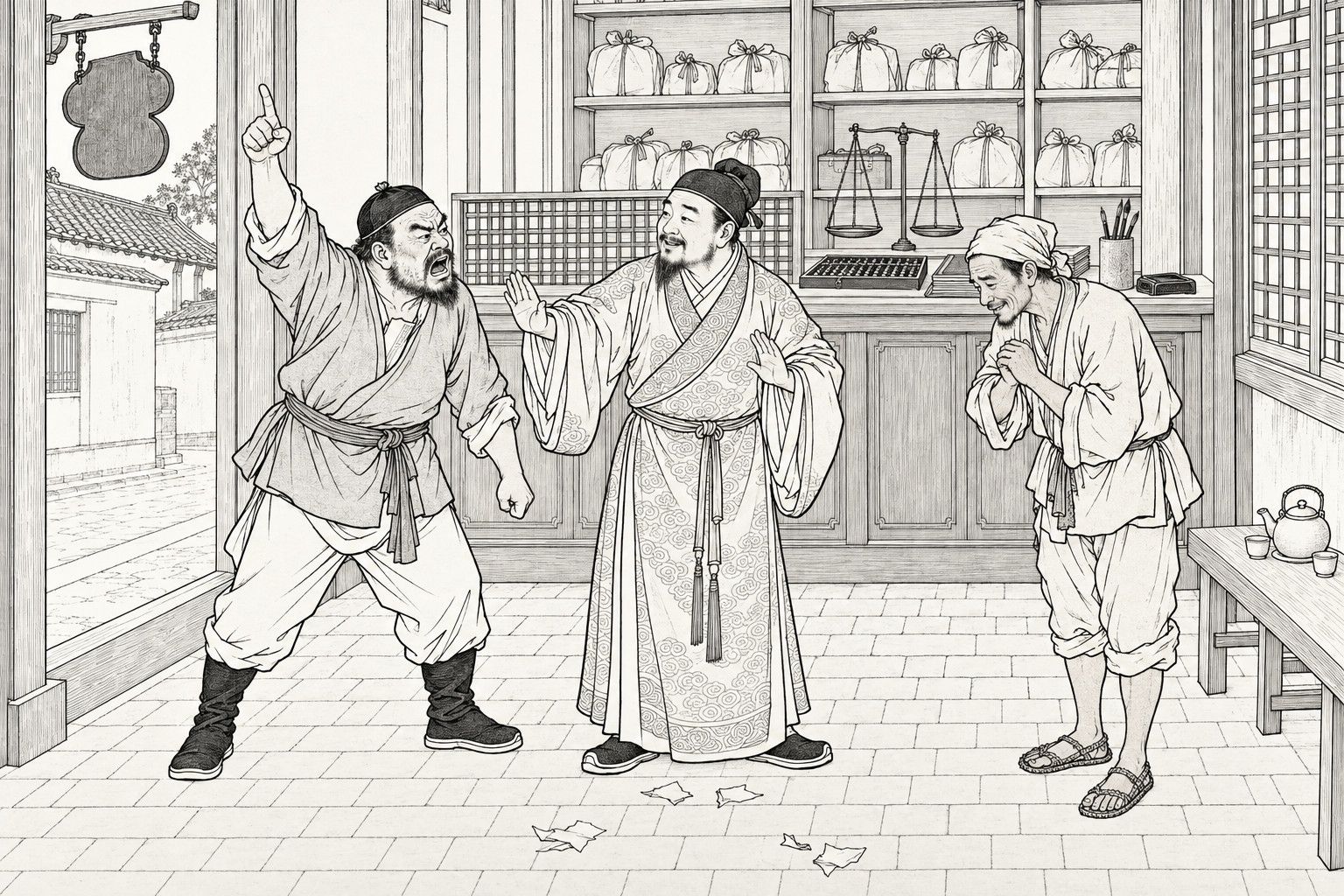
本縣有個姓劉的人,兇暴得像一隻戴著帽子的老虎。後來,他離開淄川,搬到沂地,舊習不改,鄉里人都害怕、厭惡他。他有幾畝田,和苗某的田相鄰。苗某勤勞,在田邊種了許多桃樹。桃樹剛結出果實,苗某的兒子去攀摘,劉某怒氣衝衝地把孩子趕走,說桃樹是自己的。孩子哭著告訴父親。父親正驚訝不解,劉某已經來到門前辱罵,還說要去打官司。苗某笑著勸慰他,他怒氣不消,憤憤地走了。當時,同縣的李翠石在沂地經營當鋪。劉某拿著狀紙進城,恰好遇見李翠石。兩人因為是同鄉,彼此熟悉,李翠石問:「你來辦什麼事?」劉某告訴了他。李翠石笑道:「你的名聲,大家都知道;我一向認識苗某,他為人十分溫和善良,怎麼敢侵佔你的東西?怕是你把事情說反了吧!」說著撕碎狀紙,拉他進當鋪,打算替兩人調解。劉某仍憤恨不已,偷偷拿了鋪裡的筆,重新寫一張狀紙,藏在懷裡,決意非告不可。不久,苗某來了,詳細講述事情的緣由,懇求李翠石替他排解,說:「我是個農民,活了半輩子,沒見過官老爺。只要能不打官司,幾棵桃樹,我哪裡還敢堅持說是自己的。」李翠石叫劉某出來,告訴他苗某願意退讓。劉某又指天指地,呵斥辱罵不止;苗某隻是和顏悅色,低聲下氣,一點也不敢爭辯。事情暫且停下。過了四五天,李翠石遇見他們村裡的人,聽說劉某已經死了,十分驚訝,感嘆不已。另一天,他到別處去,見一個人拄著柺杖迎面而來,分明就是劉某。走到跟前,劉某熱切地問候,還邀請他去家裡坐坐。李翠石遲疑著問:「前幾天忽然聽說你去世了,怎麼訊息會這樣不實?」劉某不回答,只拉著他進村,到家擺出飲料和酒,才說:「前幾天的傳聞並不假。那天我出門,看見兩個人來,抓住我,要帶我去見官。我問是什麼事,他們只說不知道。我想,自己進出衙門幾十年,並不是怕見官老爺的人,也就沒有害怕。跟他們到了公堂,看見堂上朝南坐著的人滿臉怒氣,說:『你就是劉某嗎?罪惡滿盈,還不悔改,又把別人的東西佔為己有。這般橫暴,應該下鍋烹煮!』一個人查了簿子,說:『這人做過一件善事,不該死。』堂上的人看過簿子,臉色稍稍緩和,便說:『暫且送他回去。』幾十個人齊聲呵斥,趕我出去。我說:『為什麼把我拘來?又為什麼讓我回去?還請說明白。』一個吏員拿著簿子走下來,指著一條給我看。上面記著:崇禎十三年,花錢三百,救了一個人,使他們夫妻得以團聚。吏員說:『若不是這件事,你今天就該死了,還該投胎做畜生。』我害怕極了,跟著那兩人出來。兩人向我索取賄賂,我生氣地說:『難道不知道我劉某在衙門裡進出了二十年,專門勒索別人的錢財,怎麼能向老虎討肉吃!』兩人便不再說話。送我到村裡時,他們拱手說:『這一趟差事,連一捧水也沒喝到。』兩人走後,我進門就醒了,那時斷氣已經隔了一天。」李翠石聽了,覺得奇異,便追問那件善事的始末。原來,崇禎十三年發生大饑荒,人吃人。劉某當時在淄川,做主管緝捕的差役。一天,他恰好看見一男一女哭得十分悲傷,便問緣故。兩人回答:「我們成婚才一年多,今年鬧饑荒,不能兩個人都活下來,所以難過。」過了一會兒,他又在油鋪前見到兩人,像是在爭執,便走近詢問。姓馬的店主說:「他們夫妻快餓死了,每天來向我討麻醬維持性命,現在又要把妻子賣給我。我家裡已經買了十多口人,哪裡還非要她不可?便宜就買,不然就算了。這麼糾纏人,真可笑!」那男子說:「如今糧食貴得像珍珠,我估量著,不拿到三百錢,就不夠逃荒的費用。本來是想兩個人都活命,如果賣了妻子,自己仍免不了死,怎麼敢賣?我不敢談價錢,只求您把這當作積陰德的善事來做。」劉某憐憫他,便問馬某願出多少。馬某說:「如今一個女人,只值一百錢左右。」劉某請他不要少給,自己願意出一半的錢來幫忙,馬某堅決不肯。劉某有些動氣,便對那男子說:「他這樣鄙陋小氣,不值得再說,我願意照數把錢送給你。既能逃荒,又能保全夫妻,豈不是更好?」於是打開錢袋,把錢給了他。夫妻二人流著淚拜謝,離去了。劉某講完這件事,李翠石大加讚歎。從此,劉某立刻改掉了以前的行為,如今七十歲,身體仍很健壯。去年,李翠石去周村,遇見劉某正和人爭吵,眾人圍著勸解,怎麼也勸不開。李翠石笑著喊道:「你又要為桃樹打官司了嗎?」劉某怔了一下,臉色變了,結結巴巴地說著話,收起雙手,退了出去。
邑刘姓,虎而冠者也。后去淄居沂,习气不除,乡人咸畏恶之。有田数亩,与苗某连垅。苗勤,田畔多种桃。桃初实,子往攀摘;刘怒驱之,指为己有。子啼而告诸父。父方骇怪,刘已诟骂在门,且言将讼。苗笑慰之。怒不解,忿而去。时有同邑李翠石作典商于沂,刘持状入城,适与之遇。以同乡故相熟,问:「作何干?」刘以告。李笑曰:「子声望众所共知;我素识苗,甚平善,何敢占骗。将毋反言之也!」乃碎其词纸,曳入肆,将与调停。刘恨恨不已,窃肆中笔,复造状,藏怀中,期以必告。未几,苗至,细陈所以,因哀李为之解免。言:「我农人,半世不见官长。但得罢讼,数株桃,何敢执为己有。」李呼刘出,告以退让之意。刘又指天画地,叱骂不休;苗惟和色卑词,无敢少辩。既罢,逾四五日,见其村中人,传刘已死,李为惊叹。异日他适,见杖而来者,俨然刘也。比至,殷殷问讯,且请顾临。李逡巡问曰:「日前忽闻凶讣,一何妄也?」刘不答,但挽入村,至其家,罗浆酒焉。乃言:「前日之传非妄也。曩出门,见二人来,捉见官府。问何事,但言不知。自思出入衙门数十年,非怯见官长者,亦不为怖。从去,至公廨,见南面者有怒容,曰:『汝即某耶?罪恶贯盈,不自悛悔;又以他人之物,占为己有。此等横暴,合置铛鼎!』一人稽簿曰:『此人有一善,合不死。』南面者阅簿,其色稍霁。便云:『暂送他去。』数十人齐声呵逐。余曰:『因何事勾我来?又因何事遣我去?还祈明示。』吏持簿下,指一条示之。上记:崇祯十三年,用钱三百,救一人夫妇完聚。吏曰:『非此,则今日命当绝,宜堕畜生道。』骇极,乃从二人出。二人索贿。怒告曰:『不知刘某出入公门二十年,耑勒人财者,何得向老虎讨肉吃耶!』二人乃不复言。送至村,拱手曰:『此役不曾噉得一掬水。』二人既去,入门遂甦,时气绝已隔日矣。」李闻而异之,因诘其善行颠末。初,崇祯十三年,岁大凶,人相食。刘时在淄,为主捕隶。适见男女哭甚哀,问之,答云:「夫妇聚裁年余,今岁荒,不能两全,故悲耳。」少时,油肆前复见之,似有所争。近诘之。肆主马姓者便云:「伊夫妇饿将死,日向我讨麻酱以为活。今又欲卖妇于我。我家中已买十余口矣。此何要紧?贱则售之,否则已耳。如此可笑,生来缠人!」男子因言:「今粟贵如珠,自度非得三百数,不足供逃亡之费。本欲两生,若卖妻而不免于死,何敢焉?非敢言直,但求作阴骘行之耳。」刘怜之,便问马出几何。马言:「今日妇口,止直百许耳。」刘请勿短其数,且愿助以半价之资。马执不可。刘少负气,便谓男子:「彼鄙琐不足道,我请如数相赠。若能逃荒,又全夫妇,不更佳耶?」遂发囊与之。夫妻泣拜而去。刘述此事,李大加奖叹。刘自此前行顿改,今七旬犹健。去年,李诣周村,遇刘与人争,众围劝不能解。李笑呼曰:「汝又欲讼桃树耶?」刘芒然改容,呐呐敛手而退。
本县有个姓刘的人,凶暴得像一只戴着帽子的老虎。后来,他离开淄川,搬到沂地,旧习不改,乡里人都害怕、厌恶他。他有几亩田,和苗某的田相邻。苗某勤劳,在田边种了许多桃树。桃树刚结出果实,苗某的儿子去攀摘,刘某怒气冲冲地把孩子赶走,说桃树是自己的。孩子哭着告诉父亲。父亲正惊讶不解,刘某已经来到门前辱骂,还说要去打官司。苗某笑着劝慰他,他怒气不消,愤愤地走了。当时,同县的李翠石在沂地经营当铺。刘某拿着状纸进城,恰好遇见李翠石。两人因为是同乡,彼此熟悉,李翠石问:“你来办什么事?”刘某告诉了他。李翠石笑道:“你的名声,大家都知道;我一向认识苗某,他为人十分温和善良,怎么敢侵占你的东西?怕是你把事情说反了吧!”说着撕碎状纸,拉他进当铺,打算替两人调解。刘某仍愤恨不已,偷偷拿了铺里的笔,重新写一张状纸,藏在怀里,决意非告不可。不久,苗某来了,详细讲述事情的缘由,恳求李翠石替他排解,说:“我是个农民,活了半辈子,没见过官老爷。只要能不打官司,几棵桃树,我哪里还敢坚持说是自己的。”李翠石叫刘某出来,告诉他苗某愿意退让。刘某又指天指地,呵斥辱骂不止;苗某只是和颜悦色,低声下气,一点也不敢争辩。事情暂且停下。过了四五天,李翠石遇见他们村里的人,听说刘某已经死了,十分惊讶,感叹不已。另一天,他到别处去,见一个人拄着拐杖迎面而来,分明就是刘某。走到跟前,刘某热切地问候,还邀请他去家里坐坐。李翠石迟疑着问:“前几天忽然听说你去世了,怎么消息会这样不实?”刘某不回答,只拉着他进村,到家摆出饮料和酒,才说:“前几天的传闻并不假。那天我出门,看见两个人来,抓住我,要带我去见官。我问是什么事,他们只说不知道。我想,自己进出衙门几十年,并不是怕见官老爷的人,也就没有害怕。跟他们到了公堂,看见堂上朝南坐着的人满脸怒气,说:‘你就是刘某吗?罪恶满盈,还不悔改,又把别人的东西占为己有。这般横暴,应该下锅烹煮!’一个人查了簿子,说:‘这人做过一件善事,不该死。’堂上的人看过簿子,脸色稍稍缓和,便说:‘暂且送他回去。’几十个人齐声呵斥,赶我出去。我说:‘为什么把我拘来?又为什么让我回去?还请说明白。’一个吏员拿着簿子走下来,指着一条给我看。上面记着:崇祯十三年,花钱三百,救了一个人,使他们夫妻得以团聚。吏员说:‘若不是这件事,你今天就该死了,还该投胎做畜生。’我害怕极了,跟着那两人出来。两人向我索取贿赂,我生气地说:‘难道不知道我刘某在衙门里进出了二十年,专门勒索别人的钱财,怎么能向老虎讨肉吃!’两人便不再说话。送我到村里时,他们拱手说:‘这一趟差事,连一捧水也没喝到。’两人走后,我进门就醒了,那时断气已经隔了一天。”李翠石听了,觉得奇异,便追问那件善事的始末。原来,崇祯十三年发生大饥荒,人吃人。刘某当时在淄川,做主管缉捕的差役。一天,他恰好看见一男一女哭得十分悲伤,便问缘故。两人回答:“我们成婚才一年多,今年闹饥荒,不能两个人都活下来,所以难过。”过了一会儿,他又在油铺前见到两人,像是在争执,便走近询问。姓马的店主说:“他们夫妻快饿死了,每天来向我讨麻酱维持性命,现在又要把妻子卖给我。我家里已经买了十多口人,哪里还非要她不可?便宜就买,不然就算了。这么纠缠人,真可笑!”那男子说:“如今粮食贵得像珍珠,我估量着,不拿到三百钱,就不够逃荒的费用。本来是想两个人都活命,如果卖了妻子,自己仍免不了死,怎么敢卖?我不敢谈价钱,只求您把这当作积阴德的善事来做。”刘某怜悯他,便问马某愿出多少。马某说:“如今一个女人,只值一百钱左右。”刘某请他不要少给,自己愿意出一半的钱来帮忙,马某坚决不肯。刘某有些动气,便对那男子说:“他这样鄙陋小气,不值得再说,我愿意照数把钱送给你。既能逃荒,又能保全夫妻,岂不是更好?”于是打开钱袋,把钱给了他。夫妻二人流着泪拜谢,离去了。刘某讲完这件事,李翠石大加赞叹。从此,刘某立刻改掉了以前的行为,如今七十岁,身体仍很健壮。去年,李翠石去周村,遇见刘某正和人争吵,众人围着劝解,怎么也劝不开。李翠石笑着喊道:“你又要为桃树打官司了吗?”刘某怔了一下,脸色变了,结结巴巴地说着话,收起双手,退了出去。
In my county there was a man surnamed Liu, a tiger in a man’s cap. Later he left Zichuan and settled in Yizhou, but his old ways stayed with him, and the country people all feared and hated him. He had a few mu of land whose ridges ran alongside the field of a man named Miao. Miao was hardworking and had planted many peach trees along the edge of his field. When the trees first bore fruit, Miao’s son climbed up to pick some; Liu drove him off in a rage, declaring the trees his. The boy ran crying to tell his father. The father was still wondering at it in alarm when Liu was already at his gate, cursing, and saying he would go to law. Miao laughed and tried to calm him. Liu’s anger did not cool, and he went off fuming. At that time Li Cuishi, also of my county, was in business as a pawnbroker in Yizhou. Liu was taking his complaint into the city when he happened to meet him. Being from the same county, the two knew each other well. “What are you up to?” Li asked. Liu told him. Li laughed. “Everyone knows your reputation. And I have long known Miao: a very mild, decent man. How would he dare cheat you out of anything? Haven’t you got it the wrong way round?” He tore up the complaint and pulled Liu into his shop, meaning to make peace between them. Liu seethed. He stole a brush in the shop, wrote the complaint out again and hid it in his robe, set on bringing the suit no matter what. Before long Miao arrived, laid out the whole matter, and begged Li to get him out of it. “I am a farmer,” he said. “In half a lifetime I have never set eyes on an official. If only the suit is dropped — a few peach trees, how would I dare insist they’re mine?” Li called Liu out and told him Miao was ready to give way. Again Liu pointed at the sky and stabbed at the ground, cursing on and on; Miao only kept a mild face and humble words, and did not dare argue in the least. That was the end of it. Four or five days later Li met someone from their village, who told him Liu was dead. Li was astonished and sighed over it. Another day, going elsewhere, he saw a man coming toward him with a stick: Liu, to the life. When he came up, he asked warmly after Li and invited him to visit. Li hung back. “A few days ago I suddenly heard that you had died,” he said. “How could the news be so false?” Liu did not answer, but took him by the arm into the village, to his house, and set out drink and wine. Then he said: “What you heard the other day was not false. That day I went out of my gate and saw two men coming. They seized me to bring me before the authorities. When I asked what for, they only said they didn’t know. I told myself I had been in and out of government offices for decades and was not one to be afraid of officials, so I wasn’t frightened. I went with them to a hall of office and saw the gentleman sitting up there facing south, looking angry. ‘So you are Liu?’ he said. ‘Your crimes are full to the brim, and you never repent. And now you take another man’s property for your own. Brutality like this belongs in the cauldron!’ One of them checked a register and said, ‘This man has one good deed. He should not die.’ The one facing south read the register, and his face cleared a little. ‘Send him back for now,’ he said. Dozens of voices shouted together to drive me out. I said, ‘What did you fetch me here for? And what are you sending me away for? I beg you to make it plain.’ A clerk came down holding the register and pointed out an entry. It said: Thirteenth year of Chongzhen: spent three hundred in cash to save a man and keep husband and wife together. ‘If not for this,’ said the clerk, ‘your life would have ended today, and you would have fallen to rebirth as a beast.’ I was terrified, and followed the two men out. The two asked me for a bribe. I told them angrily, ‘Don’t you know that I, Liu, have worked in government offices for twenty years, and squeezing money out of people is my trade? What are you doing asking a tiger for meat?’ At that they said no more. They saw me to the village, joined their hands in salute, and said, ‘Not so much as a handful of water out of this job.’ When they had gone, I came in through my gate and revived. By then I had stopped breathing for a whole day.” Li marvelled at this, and asked for the whole story of the good deed. Back in the thirteenth year of Chongzhen there had been a great famine, and people were eating one another. Liu was then in Zichuan, serving as head of the constables. One day he came upon a man and a woman weeping bitterly. When he asked them why, they answered, “We have been married only a year and a little more. This year there is famine and we cannot both survive, and so we grieve.” A little later he saw them again in front of an oil shop, seemingly in some dispute. He went closer and asked. The owner of the shop, a man named Ma, said: “These two are starving to death. Every day they come begging sesame paste off me to keep alive. Now he wants to sell me his wife. I’ve already bought more than ten people for my household. What do I need her for? If she’s cheap I’ll take her; if not, that’s that. It’s ridiculous, coming here pestering me!” The man said, “Grain is as dear as pearls now. I reckon unless I get three hundred, it won’t cover the cost of fleeing the famine. The whole point is for both of us to live; if I sold my wife and still couldn’t escape death, how could I bring myself to do it? I don’t dare talk of a fair price. I only beg you to do it as an act of hidden merit.” Liu pitied him, and asked how much Ma would give. Ma said, “A woman these days fetches only a hundred or so.” Liu asked him not to cut the price, and offered to put up half the money himself. Ma flatly refused. Liu’s pride was stung, and he said to the man, “He’s a petty miser, not worth talking to. Let me give you the full amount. If you can escape the famine and keep husband and wife together, won’t that be better still?” He opened his purse and gave it to them. Husband and wife bowed to him in tears and went away. When Liu had told this story, Li praised him warmly. From then on Liu mended his old ways at once. He is past seventy now and still hale. Last year Li went to Zhoucun and came upon Liu quarrelling with someone; a crowd had gathered round trying to talk them out of it, and could not. Li called out, laughing, “Going to sue over a peach tree again?” Liu looked lost, and his face changed. Mumbling, he let his hands fall and backed away.